
.jpeg)
Comprehensive description of common side effects and safety risks of ivonib (Tosovo)
Ivosidenib is a small molecule inhibitor targeting isocitrate dehydrogenase 1 (IDH1) mutation. It is mainly used to treat patients with IDH1 Mutated acute myeloid leukemia (AML) and some patients with cholangiocarcinoma. As the clinical application of this drug continues to increase, its adverse reaction spectrum and potential safety risks have gradually attracted the attention of doctors and patients. Overall, ivonib is a relatively tolerable targeted therapy drug, but its common side effects and key risk points still need to be systematically understood for safe and standardized use.
In terms of common side effects, digestive system reactions are the most common. Some patients will experience symptoms such as nausea, vomiting, diarrhea, loss of appetite or abdominal pain after taking ivonib, most of which are mild to moderate and can be relieved by adjusting their diet, taking symptomatic medication or short-term observation. In addition, fatigue, weakness and weight loss are also common symptoms of discomfort. Such symptoms are often related to the tumor itself and the combined effect of long-term targeted therapy, and usually will not be the direct reason for drug discontinuation.
Hematology-related adverse reactions are one of the things that need to be paid attention to during the use of ivonib. Some patients may experience fluctuations in white blood cell, platelet, or hemoglobin levels, manifesting as anemia, increased risk of infection, or bleeding tendencies. Compared with traditional chemotherapy, this type of myelosuppression is mostly controllable and reversible, but blood routine monitoring still needs to be regularly monitored during the initial treatment and dose adjustment stages in order to detect abnormalities and intervene in a timely manner.
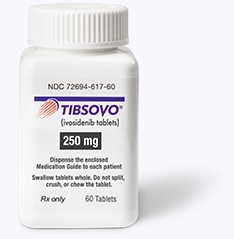
A more specific safety risk with ivosidenib that requires a high degree of vigilance is differentiation syndrome. This reaction is more common in patients with acute myeloid leukemia. It usually occurs within days to weeks after taking the drug and is manifested by fever, rapid weight gain, dyspnea, pulmonary infiltration, hypotension or abnormal renal function. If differentiation syndrome is not recognized in time, it may be life-threatening. However, once detected early and given glucocorticoids and supportive treatment, most patients can be well controlled. Therefore, sensitivity to related symptoms during clinical follow-up is particularly important.
In terms of cardiovascular safety, Avonib may cause QT interval prolongation, which is one of the risks clearly stated in its instructions. QT Prolongation of the QT interval may induce arrhythmias in severe cases, especially in patients who are combined with other drugs that affect cardiac conduction, have electrolyte imbalances, or have underlying heart disease. Clinically, it is usually recommended to regularly monitor electrocardiogram and serum potassium and magnesium levels before medication and during treatment to reduce potential risks.
Abnormal liver function is also a commonly monitored safety indicator during ivonib treatment. Some patients may experience elevated transaminases or bilirubin, most of which are mildly elevated without obvious clinical symptoms, but a few patients may need to temporarily reduce the dose or discontinue medication for observation. For patients with previous liver function impairment or combined use of other hepatotoxic drugs, the frequency of liver function monitoring should be strengthened to avoid superimposed damage.
Taken together, ivonib has clear efficacy in the field of targeted therapy, and its overall safety is acceptable under standardized use and close monitoring. During the treatment process, patients should actively cooperate with doctors to conduct hematological indicators, electrocardiograms, liver function tests, etc., and provide timely feedback if abnormal symptoms occur. By early identification of side effects and reasonable handling of adverse reactions, most patients can benefit from long-term treatment with ivonib while ensuring safety.
Keyword tags: ivonib, side effects, safety risks, IDH1mutation, differentiation syndrome, QT prolongation, liver function abnormalities, hematological reactions, digestive system reactions.
Reference materials:https://go.drugbank.com/drugs/DB14568
[ 免责声明 ] 本页面内容来自公开渠道(如FDA官网、Drugs官网、原研药厂官网等),仅供持有医疗专业资质的人员用于医学药学研究参考,不构成任何治疗建议或药品推荐。所涉药品可能未在中国大陆获批上市,不适用于中国境内销售和使用。如需治疗,请咨询正规医疗机构。本站不提供药品销售或代购服务。


