
.jpeg)
Comparison of the side effects and hazards of cyclosporine and the safety of voclosporin and precautions for use
Cyclosporine (Cyclosporine) is a classic immunosuppressant that is widely used to prevent rejection after organ transplantation and to treat autoimmune diseases. Its main mechanism of action is to inhibit the activation of TT lymphocytes, thereby reducing the response of the immune system to attack own tissues or foreign organs. Although cyclosporine has achieved remarkable efficacy in clinical applications, its side effects and safety issues have always been a concern. Common adverse reactions include nephrotoxicity, hypertension, neurological symptoms (such as tremor, headache), gum hyperplasia, abnormal hair growth, and gastrointestinal reactions. Long-term use of cyclosporine may also cause severe chronic kidney damage, leading to a decline in renal function. Therefore, clinical practice usually requires regular monitoring of blood pressure, renal function, and blood drug concentration to reduce risks.
Voclosporin (Voclosporin) is a structurally optimized derivative of cyclosporine and belongs to a new generation of calcineurin inhibitors. The improvement of its molecular structure allows cyclosporin to retain immunosuppressive activity while having more stable pharmacokinetic properties, reducing the risk of damage to the kidneys and other organs caused by fluctuations in blood concentration. Clinical studies have shown that cyclosporine has better safety and tolerability than traditional cyclosporine in the treatment of systemic lupus erythematosus (SLE)-related nephritis and other autoimmune diseases, and the incidence of nephrotoxicity and hypertension is significantly reduced. Ciclosporin also shows a rapid onset of action and can improve proteinuria levels and renal function indicators in a short period of time.
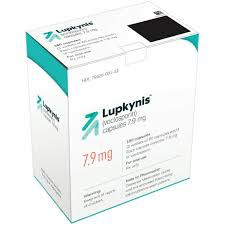
Although cyclosporin is relatively safe, there are still concerns about its potential adverse effects. Common side effects include mild gastrointestinal upset, increased blood pressure, blood sugar fluctuations, and occasionally neurological symptoms. In clinical use, doctors usually develop individualized dosage plans based on the patient's liver and kidney function, underlying diseases, and concomitant medications. At the same time, changes in blood drug concentration, renal function, liver function and blood pressure need to be regularly monitored to detect and deal with potential risks in a timely manner. In addition, there may be interactions between cyclosporine and other immunosuppressants or drugs, and caution should be used in combination to avoid enhanced efficacy or increased toxicity.
In actual clinical application, cyclosporine and cyclosporine have their own characteristics. Cyclosporine is still widely used in organ transplantation and some autoimmune diseases due to its long-term use experience and low cost. However, for high-risk patients or groups requiring long-term immunosuppressive therapy, cyclosporin is more suitable as the drug of choice due to its lower nephrotoxicity, higher pharmacological stability, and rapid onset of action. At the same time, doctors still need to follow strict monitoring specifications when using cyclosporine, including dynamic monitoring of blood pressure, renal function, liver function and blood drug concentration, to ensure drug safety and maximize efficacy.
Overall, the main safety risks of cyclosporine focus on nephrotoxicity and cardiovascular adverse reactions, while cyclosporine has significantly reduced these risks while maintaining efficacy through molecular structure optimization. In clinical practice, the choice of drug should be comprehensively judged based on the patient's specific condition, underlying diseases, and drug tolerance. At the same time, standardized monitoring and follow-up management are crucial to ensure the safe use of both drugs. In particular, during long-term treatment, it is necessary to pay attention to changes in chronic renal function and blood pressure control to minimize side effects and long-term harm.
Keyword tags: cyclosporine, side effects, nephrotoxicity, cyclosporine, safety comparison, lupus nephritis, immunosuppressants, monitoring and management.
Reference materials:https://lupkynis.com/
[ 免责声明 ] 本页面内容来自公开渠道(如FDA官网、Drugs官网、原研药厂官网等),仅供持有医疗专业资质的人员用于医学药学研究参考,不构成任何治疗建议或药品推荐。所涉药品可能未在中国大陆获批上市,不适用于中国境内销售和使用。如需治疗,请咨询正规医疗机构。本站不提供药品销售或代购服务。


