
.jpeg)
Analysis of vorasidenib-VORANIGO side effects and long-term use safety, risks and precautions
Vorasidenib (trade name: VORANIGO) is an oral small molecule inhibitor of IDH1/IDH2, mainly used to treat low-grade gliomas related to IDH mutations and some patients with high-grade brain gliomas. Its pharmacological mechanism is to selectively inhibit the activity of IDH mutant enzyme and block the abnormal accumulation of 2-hydroxyglutarate (2-HG), thereby interfering with tumor cell metabolism and proliferation. By targeting abnormal metabolic pathways, vorsidenib can not only slow down tumor progression, but may also delay disease progression and improve patients' progression-free survival. Clinically, this drug is used as a targeted treatment option, providing patients with IDH mutant glioma with a treatment approach in addition to traditional surgery, radiotherapy and chemotherapy.
During short-term treatment, the adverse reactions of vorsidenib are mainly mild to moderate digestive system symptoms, such as nausea, vomiting, diarrhea and decreased appetite. In addition, some patients may experience neurological symptoms such as fatigue, headache, dizziness, or insomnia. These side effects can generally be alleviated through symptomatic treatment or dose adjustment, but close monitoring is still required, especially during the first dose or dose adjustment period. Clinicians will develop individualized dosage regimens based on patient specific conditions to balance efficacy and tolerability.
Abnormal hematology and liver function are also the key points that need to be paid attention to when taking voxanib for a long time. Clinical data show that some patients develop mild to moderate thrombocytopenia, anemia or leukopenia during long-term medication, and liver enzymes (ALT, AST) may be elevated. Although most abnormalities are reversible and manageable with supportive care, a minority of patients may develop severe hepatic impairment or significant hematological abnormalities. Therefore, regular monitoring of blood routine, liver and kidney function and related biochemical indicators is an essential measure for long-term medication.
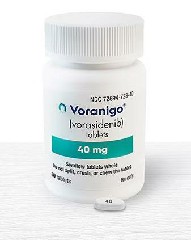
Safety analysis of long-term medication shows that the metabolism of vorsidenib in the body mainly depends on the liver, and patients with abnormal liver function or combined with other hepatotoxic drugs are at higher risk. In addition, due to the nature of the drug targeting IDH mutations, some patients may experience mild neurological discomfort during long-term medication, such as persistent headache, mild cognitive decline or dizziness, which may be related to the tumor itself and the cumulative effect of the drug. Therefore, patients need to undergo regular neurological function assessment and imaging follow-up under the guidance of a doctor.
Drug interactions are also an important consideration with long-term use of voxanib. Since its metabolism involves the CYP3A enzyme, patients should avoid concurrent use with strong CYP3A inhibitors or inducers during use to prevent abnormal drug blood concentrations, resulting in reduced efficacy or worsening of side effects. During the prescription process, doctors usually evaluate the patient's past medication history in detail to ensure the safety of the drug combination and make dosage adjustments if necessary.
In terms of medication precautions, you should strictly follow the doctor's prescription for vorsidenib, and you are not allowed to increase or decrease the dose or stop the medication on your own. Patients should pay attention to their physical condition while taking the medicine. If they experience obvious jaundice, persistent vomiting, significant decrease in platelets, or severe fatigue, they should stop taking the medicine immediately and seek medical treatment. Drug storage conditions must also be strictly observed to avoid high temperature, humidity or direct sunlight to ensure the stability and safety of the drug effect.
Based on clinical real-world experience, voroxiranib can significantly delay the disease progression of patients with IDH mutated gliomas, improve progression-free survival, and has good overall tolerability for long-term use. However, it cannot be ignored that long-term medication still requires standardized follow-up and monitoring. Patients need to regularly review blood routine, liver and kidney function, blood pressure, neurological function and other indicators in order to detect potential risks early and intervene in a timely manner.
To sum up, as a targeted treatment drug for IDHmutant glioma, vorsidenib has both curative effect and controllable side effects. In clinical applications, by strictly adhering to individualized dosage regimens, regular monitoring and management of drug interactions, patients can maximize drug efficacy while effectively reducing the risks caused by long-term medication and achieving safe and sustainable treatment management.
Keyword tags: Voxanib, side effects, long-term safety, IDH1/2 inhibitors, glioma, abnormal liver function, nervous system discomfort, drug interactions.
Reference materials:https://pubmed.ncbi.nlm.nih.gov/40911439/
[ 免责声明 ] 本页面内容来自公开渠道(如FDA官网、Drugs官网、原研药厂官网等),仅供持有医疗专业资质的人员用于医学药学研究参考,不构成任何治疗建议或药品推荐。所涉药品可能未在中国大陆获批上市,不适用于中国境内销售和使用。如需治疗,请咨询正规医疗机构。本站不提供药品销售或代购服务。


