
.jpeg)
A complete description of the six-month liver function changes and safety monitoring plan for long-term use of Pretomanid
Regarding the specific monitoring plan, it is recommended to conduct a basic liver function assessment before medication, including indicators such as alanine aminotransferase (ALT), aspartate aminotransferase (AST), total bilirubin, and alkaline phosphatase. In the early stages of taking the medication, you should review it every 2 to 4 weeks to detect abnormalities as early as possible. If mild transaminase elevation is found but no symptoms, medication can be continued under the guidance of a doctor and follow-up visits should be strengthened; if the elevation exceeds 3 times the normal upper limit or is accompanied by symptoms such as jaundice and fatigue, the treatment plan should be adjusted immediately or the medication should be temporarily discontinued.
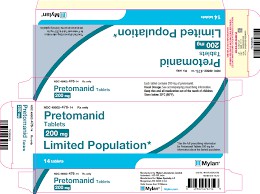
Patients should closely observe their own conditions while taking putomanid. If they experience symptoms such as loss of appetite, nausea, yellowing of the skin or eyes, or darker urine, they should promptly inform their doctor. At the same time, maintaining a regular diet and avoiding alcohol and hepatotoxic drugs can further reduce the risk of liver function damage. Through standardized monitoring and safety management, changes in liver function under long-term use of putomanib are usually controllable, thereby ensuring the effectiveness and safety of combined anti-tuberculosis treatment.
Keyword tags: putomanid, long-term use, liver function, safety monitoring, anti-tuberculosis drugs, drug-resistant tuberculosis, combined medication, elevated transaminases.
Reference: https://www.accessdata.fda.gov/drugsatfda_docs/label/2019/212862s000lbl.pdf
[ 免责声明 ] 本页面内容来自公开渠道(如FDA官网、Drugs官网、原研药厂官网等),仅供持有医疗专业资质的人员用于医学药学研究参考,不构成任何治疗建议或药品推荐。所涉药品可能未在中国大陆获批上市,不适用于中国境内销售和使用。如需治疗,请咨询正规医疗机构。本站不提供药品销售或代购服务。


