
.jpeg)
Description of the specific treatment mechanism and routine procedures when cycloserine is used to treat tuberculosis and other diseases
Cycloserine (Cycloserine) is a broad-spectrum anti-tuberculosis drug, mainly used for multidrug-resistant tuberculosis (MDR-TB) and highly drug-resistant tuberculosis infections. Its mechanism of action is to inhibit the activity of key enzymes in bacterial cell wall synthesis, including D-alanine-D-alanine ligase, thereby interfering with peptidoglycan synthesis, resulting in abnormal bacterial cell wall structure, and ultimately inhibiting the growth of Mycobacterium tuberculosis or causing its death. Due to its unique target, cycloserine is often used in combination treatment regimens for patients who are ineffective or resistant to first-line drugs.
In routine treatment, cycloserine is usually administered orally, and the adult dose is generally 250–500 mg per day, which can be taken once or in divided doses. The specific dose needs to be individually adjusted based on the patient's weight, renal function and severity of the disease. The drug is well absorbed, but is sensitive to gastrointestinal irritation. Therefore, it is recommended to take it on an empty stomach or within a short period of time after meals. Doctor's advice must be followed throughout the process to avoid discontinuing the drug or adjusting the dose on your own to ensure efficacy and reduce the risk of drug resistance.
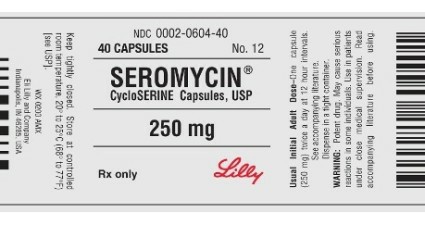
In clinical applications, cycloserine is usually used as part of a combination of drugs, used simultaneously with other anti-tuberculosis drugs such as rifampicin, isoniazid, and pyrazinamide. This combination regimen can not only enhance the efficacy, but also reduce the incidence of single-drug resistance. In terms of treatment cycle arrangement, multi-drug combination therapy often needs to last for several months or even more than a year. During this period, regular follow-up is required to evaluate the efficacy, including negative sputum culture conversion, imaging improvement, and clinical symptom relief.
Special attention should be paid to safety issues when using cycloserine. Common adverse reactions include central nervous system reactions, such as headache, insomnia, anxiety or depression, and a small number of patients may experience epilepsy or mental status changes. Therefore, neurological symptoms need to be monitored regularly during treatment and used with caution in high-risk patients such as those with a history of mental illness. At the same time, cycloserine may affect renal function and electrolyte balance, and should be evaluated in combination with laboratory indicators to ensure the safety and efficacy of long-term medication.
Keyword tags: cycloserine, treatment mechanism, tuberculosis, multidrug-resistant tuberculosis, combination medication, central nervous system side effects, vitaminB6supplementation, renal function monitoring.
Reference materials:https://pubmed.ncbi.nlm.nih.gov/?term=cycloserine
[ 免责声明 ] 本页面内容来自公开渠道(如FDA官网、Drugs官网、原研药厂官网等),仅供持有医疗专业资质的人员用于医学药学研究参考,不构成任何治疗建议或药品推荐。所涉药品可能未在中国大陆获批上市,不适用于中国境内销售和使用。如需治疗,请咨询正规医疗机构。本站不提供药品销售或代购服务。


