
.jpeg)
Introduction to the injection methods and related precautions of Fulvestrant/Fuxit
Fulvestrant is a drug used to treat hormone receptor-positive breast cancer, especially in patients who have developed resistance to endocrine therapy. It inhibits the function of estrogen receptors and reduces hormonal stimulation, thereby effectively inhibiting tumor growth. Fulvestrant is administered by intramuscular injection, usually in the buttock area, and there are some important things to note when using it.
1. Injection method and dosage
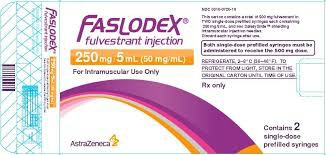
The standard dose of fulvestrant is500 mg given as two injections. Each injection should be 250mg/5ml in each buttock, using a slow injection method. Each injection should last 1-2 minutes to reduce local pain and discomfort. The frequency of administration of Fulvestrant is relatively intensive in the early stages of treatment, and patients need to be injected once on the 1st, 15th, and 29th days of treatment. After that, the drug is administered once a month.
For patients with moderate hepatic impairment, the recommended dose is 250mg each time, still using slow injection, one injection on each buttock. This is because the drug may be cleared from the body more slowly in patients with liver damage, and lower doses can help avoid side effects caused by drug accumulation. For patients with severe hepatic impairment, special caution should be taken when using fulvestrant, and it is generally recommended to avoid use or make adjustments under the guidance of a doctor.
2. When using fulvestrant, patients should pay special attention to the following aspects:
1) Bleeding risk and thrombocytopenia: Fulvestrant may increase the risk of bleeding, especially in patients with bleeding tendencies or thrombocytopenia. Particular caution should be used when using fulvestrant in these patients. If the patient is receiving anticoagulant therapy, the coagulation function needs to be closely monitored when using this drug and the treatment plan should be adjusted according to the situation.
2) Patients with hepatic impairment: For patients with moderate hepatic impairment, the recommended dose of fulvestrant is 250 mg, and the injection should be done slowly. This is because the liver is the main organ for the metabolism of fulvestrant, and patients with hepatic insufficiency may have a slower metabolism of the drug, leading to an increase in drug concentration in the body, thereby increasing the risk of side effects. For patients with severe hepatic insufficiency, fulvestrant should be used with caution and in strict compliance with physician recommendations.
3) Injection site reaction: Fulvestrant injection is usually performed in the buttock area, so injection site reaction is one of the more common side effects. After the injection, patients may experience pain, swelling, or hardness at the injection site; these reactions are usually temporary. Special care is required when injecting because the buttocks are close to the sciatic nerve and improper injection may cause local nerve damage. Therefore, injection operations should be performed by experienced medical personnel to avoid damage to nerves during the injection process.
4)Embryonic-Fetal Toxicity: Fulvestrant has potential embryo-Fetal Toxicity, especially when used during pregnancy and may cause harm to the fetus. Female patients should take effective contraceptive measures to prevent pregnancy when using fulvestrant. Patients should inform their doctor if they are pregnant or trying to become pregnant and avoid using this drug during pregnancy. Women of childbearing potential must use effective contraception while using fulvestrant until at least two months after treatment has ended.
5) Interference in serum estradiol levels: Fulvestrant may interfere with the immunoassay of serum estradiol, causing deviations in measurement results. Studies have shown that fulvestrant may falsely increase serum estradiol levels, and this potential effect should be noted when using fulvestrant. If monitoring of estradiol levels is necessary, physicians should adjust the patient's treatment plan and select an appropriate testing method.
Reference materials:https://www.accessdata.fda.gov/drugsatfda_docs/label/2011/021344s015lbl.pdf
[ 免责声明 ] 本页面内容来自公开渠道(如FDA官网、Drugs官网、原研药厂官网等),仅供持有医疗专业资质的人员用于医学药学研究参考,不构成任何治疗建议或药品推荐。所涉药品可能未在中国大陆获批上市,不适用于中国境内销售和使用。如需治疗,请咨询正规医疗机构。本站不提供药品销售或代购服务。


