
.jpeg)
Summary of side effects and hazards of Methylcobalamin Injection (Rozebalamin) and key points of safe medication guidance
Methylcobalamin injection (Rozebalamin) is a vitaminB12 derivative. It is mainly used for the auxiliary treatment of neurological diseases and ALS, including peripheral neuropathy, diabetic neuropathy, neuropathic pain and specific types of anemia. Its mechanism of action is to promote nerve repair and regeneration by participating in the synthesis of nerve myelin sheaths and maintaining neuron metabolism, while assisting in red blood cell production and improving anemia symptoms. Therefore, it is widely used in the clinical treatment of nerve damage and vitamin B12 deficiency-related diseases. Due to its clear pharmacological effects, methylcobalamin injection has good overall safety, but it is still necessary to pay attention to possible side effects and risks of use.
In clinical application, common side effects of methylcobalamin injection mainly include injection site reactions, mild rash, itching, skin flushing, and occasional headache, fatigue, or mild gastrointestinal discomfort. Most of these reactions are mild to moderate and usually resolve spontaneously after stopping the drug or adjusting the injection rate. A very small number of patients may experience allergic reactions, such as severe rash, difficulty breathing, or a drop in blood pressure, but the overall incidence is low, so preventive monitoring is needed in first-time injections or in high-risk patients.
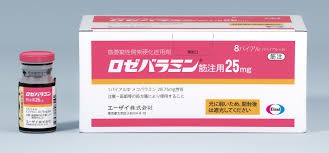
Long-term or high-dose use of methylcobalamin injection may bring certain risks, including hematological abnormalities or neurological adverse reactions. Some patients may experience elevated platelets or mild changes in hemoglobin during continued use. Therefore, blood routine and liver and kidney functions should be regularly monitored during long-term medication. In addition, for patients with a history of renal insufficiency, heart disease or allergies, a comprehensive evaluation is required before use, and the dose should be adjusted or the injection interval extended according to the patient's condition to reduce potential risks.
The key points of safe medication use include strictly following the doctor's prescription and not increasing or decreasing the dose at will or extending the course of treatment on your own. Injections should be used under sterile conditions and the injection speed must be appropriate to avoid local pain or induration. During use, changes in the patient's skin, nervous system and blood indicators should be closely observed. If serious discomfort is found, the medication should be discontinued in time and corresponding treatment should be taken. For children, the elderly, and patients with multiple underlying diseases, it is recommended to formulate individualized medication plans, combined with lifestyle intervention and nutritional support, to improve medication safety and therapeutic effects.
In summary, methylcobalamin injection (Rozebalamin) has clear clinical efficacy in the treatment of neurological diseases and related anemia, and its side effects are generally controllable, but individual differences and potential risks still need to be paid attention to. Through reasonable dose selection, standardized injection operations, regular monitoring of blood and neurological function indicators, and timely treatment of adverse reactions, it is possible to minimize safety risks while ensuring therapeutic effects, and provide patients with safe and effective neuroprotection and auxiliary treatment options.
Keyword tags: Methylcobalamin injection, vitaminsB12, neurological diseases, side effects, medication safety
Reference materials:https://www.drugs.com/mtm/mecobalamin.html[ 免责声明 ] 本页面内容来自公开渠道(如FDA官网、Drugs官网、原研药厂官网等),仅供持有医疗专业资质的人员用于医学药学研究参考,不构成任何治疗建议或药品推荐。所涉药品可能未在中国大陆获批上市,不适用于中国境内销售和使用。如需治疗,请咨询正规医疗机构。本站不提供药品销售或代购服务。


