
.jpeg)
Analysis of the clinical efficacy of Zolbetuximab and its real performance in the treatment of gastric cancer
Zolbetuximab (Zolbetuximab) is a monoclonal antibody targeting CLDN18.2 (tight junction protein 18.2). It is mainly used to treat CLDN18.2-positive advanced or metastatic gastric cancer and gastroesophageal junction adenocarcinoma. CLDN18.2 is highly expressed on the surface of gastric cancer cells, but its expression is limited in normal tissues, making it an ideal target for targeted therapy. Zotuximab specifically binds to CLDN18.2 and induces antibody-dependent cytotoxicity (ADCC) and complement-dependent cytotoxicity (CDC), thereby directly killing tumor cells and mobilizing the immune system to enhance anti-tumor responses.
In clinical trials, zotuximab showed significant anti-tumor activity. Key studies such as the FAST trial showed that for patients with CLDN18.2-positive advanced gastric cancer, zotuximab combined with chemotherapy (such as oxaliplatin< span>+Fluorouracil regimen) significantly improved the overall response rate (ORR) and progression-free survival (PFS) compared with chemotherapy alone. In the study, the median PFS was extended from approximately 5.7 months with chemotherapy alone to approximately 7.5 months with zotuximab combination therapy. n> months, and the overall survival (OS) also shows a trend of prolongation, especially in the patient group with high expression of CLDN18.2. The benefit is more obvious.
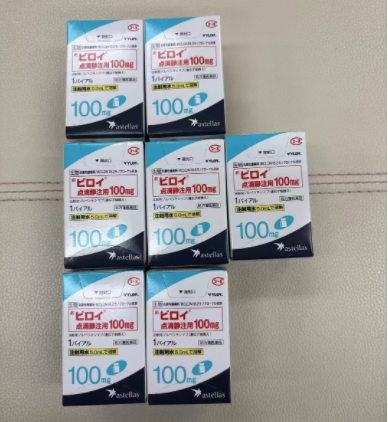
In real-world gastric cancer treatment, zotuximab's performance was also consistent with clinical trial results. After receiving combination therapy, patients with high expression of CLDN18.2 can achieve disease control rates (DCR) of more than 70%, and some patients even achieve partial response (PR) or tumor shrinkage. Zotuximab was generally well tolerated during treatment, with the most common side effects including nausea, vomiting, and fatigue, as well as mild to moderate hematological abnormalities. Compared with traditional chemotherapy, its toxicity spectrum is relatively controllable, providing a new precision targeted treatment option for patients with advanced gastric cancer.
In clinical practice, the efficacy of zotuximab is affected by CLDN18.2 expression level, tumor burden and the overall status of the patient. High-expression groups (usually defined as ≥70% of tumor cells positive) respond best to drugs, while low-expression or negative patients have limited efficacy. Therefore, CLDN18.2 testing must be performed before use to ensure the accuracy of targeted therapy. In addition, the selection and dosage adjustment of combined chemotherapy regimens also directly affect efficacy and safety. Clinicians need to develop individualized plans based on the patient's age, comorbidities, and previous treatment history.
Overall, zotuximab has shown good clinical efficacy in the treatment of CLDN18.2 positive advanced gastric cancer, can improve the response rate, prolong progression-free survival, and has a controllable safety profile. As the first monoclonal antibody drug targeting CLDN18.2, it provides a new precision treatment option for patients with advanced gastric cancer and provides a research basis for future combination immunotherapy or targeted combination programs. As more real-world data accumulate, zotuximab is expected to further establish its important position in the treatment of gastric cancer and bring significant clinical benefits to high-risk and drug-resistant patients.
Keyword tags: zotuximab,CLDN18.2targeting, gastric cancer, clinical efficacy, safety
Reference materials:https://pubmed.ncbi.nlm.nih.gov/39282934/
[ 免责声明 ] 本页面内容来自公开渠道(如FDA官网、Drugs官网、原研药厂官网等),仅供持有医疗专业资质的人员用于医学药学研究参考,不构成任何治疗建议或药品推荐。所涉药品可能未在中国大陆获批上市,不适用于中国境内销售和使用。如需治疗,请咨询正规医疗机构。本站不提供药品销售或代购服务。


