
.jpeg)
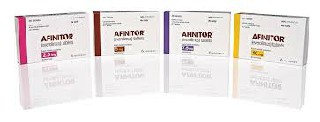
Everolimus/Afinitor medication precautions list
Everolimus (Everolimus) is an oral immunosuppressant that is widely used to treat renal cell carcinoma, breast cancer , pancreatic neuroendocrine tumors (PNET), and some other diseases. As an mTOR (mammalian target of rapamycin) inhibitor, everolimus exerts anti-tumor and immunosuppressive effects by inhibiting cell proliferation. Although everolimus plays an important role in clinical treatment, due to its specific pharmacological effects, some possible side effects and risks need to be noted when using it.
1. Non-infectious pneumonia is a potential adverse reaction of everolimus. During treatment, patients may experience pneumonia-like symptoms, such as coughing, shortness of breath, etc., and even changes in the lungs can be seen in imaging examinations.
2. Infection is also one of the common risks during the use of everolimus. Due to the immunosuppressive effects of everolimus, patients may be more susceptible to infections, particularly bacterial, fungal, or viral infections. Therefore, symptoms of infection, such as fever, chills, and persistent cough, must be closely monitored during medication.
3. Severe hypersensitivity reaction is another side effect that needs to be alerted to. If patients develop obvious allergic reaction symptoms such as rash, difficulty breathing, facial swelling, etc. while using everolimus, they should stop taking everolimus immediately and seek medical help. For patients who must discontinue the drug due to a hypersensitivity reaction, permanent discontinuation is usually recommended to avoid recurrence of a similar severe reaction.
4. The incidence of angioedema is higher during everolimus treatment, especially for patients who are also taking ACE inhibitors (angiotensin-converting enzyme inhibitors). ACE inhibitors themselves are associated with an increased risk of angioedema, and the immunosuppressive effects of everolimus may exacerbate this risk. If symptoms of angioedema, especially laryngeal edema or dyspnea, occur, the drug must be stopped immediately and emergency treatment must be provided.
5. Stomatitis is another common side effect of everolimus use. Patients may experience problems such as canker sores and dry mouth, making it difficult to eat. To relieve this symptom, start treatment with a dexamethasone alcohol-free mouthwash. Using mouthwash can help reduce oral inflammation, improve patients' oral health, and reduce the occurrence of oral ulcers.
6. Renal failure is a serious side effect of everolimus, especially in patients with long-term use. Everolimus may cause damage to renal function, so the patient's renal function indicators, especially serum creatinine, urea nitrogen, etc., need to be checked regularly before and during treatment.
7. Everolimus may also increase the risk of bone marrow suppression. Myelosuppression is manifested by a decrease in white blood cell, red blood cell, or platelet count, which may lead to symptoms such as anemia, infection, or bleeding. Hematological parameters should be monitored regularly before and during treatment to allow timely detection and management of symptoms of myelosuppression.
8. Metabolic abnormalities (such as elevated blood sugar and dyslipidemia) are one of the common side effects of everolimus, especially when used for a long time. Patients should regularly monitor blood glucose and lipid levels before and during treatment.
9. Since everolimus may cause suppression of immune response, patients should avoid using live vaccines when vaccinating them. In particular, childhood vaccinations must be completed before starting everolimus treatment to ensure immune efficacy. Patients should also avoid close contact with people who have received live vaccines to reduce the risk of infection.
10. Everolimus may also interact with radiotherapy, leading to an exacerbation of radiation reactions. Patients need to pay special attention to whether more severe radiation reactions occur when receiving radiation therapy. When receiving radiation therapy while taking everolimus, you must be cautious and follow your doctor's instructions.
11. Afterwards, everolimus has a certain risk of embryo-fetotoxicity. Since this drug may cause harm to the fetus, it is recommended that during treatment, especially for patients of childbearing potential, take effective contraceptive measures and try to avoid pregnancy.
Keyword tags: Everolimus, Everolimus, Afinitor, medication precautions, non-infectious pneumonia, infection, hypersensitivity reaction, angioedema, stomatitis, renal failure, bone marrow suppression, metabolic abnormalities, vaccination, radiotherapy, embryofetal toxicity
Reference materials:https://www.cancerresearchuk.org/about-cancer/treatment/drugs/everolimus
[ 免责声明 ] 本页面内容来自公开渠道(如FDA官网、Drugs官网、原研药厂官网等),仅供持有医疗专业资质的人员用于医学药学研究参考,不构成任何治疗建议或药品推荐。所涉药品可能未在中国大陆获批上市,不适用于中国境内销售和使用。如需治疗,请咨询正规医疗机构。本站不提供药品销售或代购服务。


