
.jpeg)
Effect of mirikizumab in the treatment of ulcerative colitis in children
The SHINE-1 phase clinical trial found that Mirikizumab is safe and effective in children with ulcerative colitis (UC). Milizumab is a humanized immunoglobulin G4 (IgG4) monoclonal antibody targeting the p19 subunit of IL-23. Previous studies have found the drug to be safe and effective in adults with ulcerative colitis and Crohn's disease.
This open-label, non-randomized Phase 2 clinical trial enrolled 26 children aged 2 to 18 years with moderately to severely active ulcerative colitis who had an inadequate response, loss of response, or intolerance to corticosteroids, immunomodulators, biologics, or JAK inhibitors. From May 18, 2020 to March 15, 2023, patients came from 19 centers. All patients received induction doses of militizumab (determined by body weight) at weeks 0, 4, and 8. Patients who responded at week 12 received maintenance therapy and subcutaneous militizumab. Nonresponders received an additional induction dose intravenously before continuing subcutaneously with a maintenance dose. The primary endpoint of pharmacokinetic data has been previously reported. Secondary endpoints were safety and efficacy.
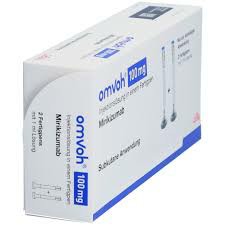
At week 12, 18 patients (69.2%) achieved clinical remission and 10 patients (38.5%) achieved clinical remission according to the modified Mayo score. When assessed using the Pediatric Ulcerative Colitis Activity Index (PUCAI), 20 patients (76.9%) achieved clinical remission at week 12 and 10 (38.5%) achieved clinical remission. In addition, 14 patients (53.8%) achieved endoscopic response, 4 patients (15.4%) achieved histological-endoscopic response (HEMI), and 1 patient (3.8%) achieved histological-endoscopic mucosal response (HEMR). A total of 12 patients (46.2%) achieved symptom remission.
At Week 52, 14 patients (53.8%) had a clinical response based on the modified Mayo score, 10 (38.5%) had a clinical remission, 14 (53.8%) had a clinical response, and 13 (50.0%) had a clinical remission based on the PUCAI. In addition, 10 cases (38.5%) experienced endoscopic remission, 9 cases (34.6%) of HEMI, 9 cases (34.6%) of HEMR, and 12 cases (46.2%) of symptomatic remission. At week 52, 10 (38.5%) patients remained in clinical remission without the use of corticosteroids or ulcerative colitis-related surgery for at least 12 weeks prior to week 52.
During induction and maintenance,Three patients (12%) experienced serious adverse events (noninfectious appendicitis, ulcerative colitis exacerbation, or pseudarthrosis), with 1 event (ulcerative colitis exacerbation) leading to treatment discontinuation. The most common adverse events occurring in 15% or more of patients were COVID-19, injection site pain, headache, pyrexia and viral upper respiratory tract infection.
The study concluded that these results support further evaluation of militizumab in the pediatric population.
References: UpdatedDecember 9, 2025, https://www.docwirenews.com/post/mirikizumab-for-ulcerative-colitis-among-pediatric-patients
[ 免责声明 ] 本页面内容来自公开渠道(如FDA官网、Drugs官网、原研药厂官网等),仅供持有医疗专业资质的人员用于医学药学研究参考,不构成任何治疗建议或药品推荐。所涉药品可能未在中国大陆获批上市,不适用于中国境内销售和使用。如需治疗,请咨询正规医疗机构。本站不提供药品销售或代购服务。


