
.jpeg)
Standard usage and dosage guidelines for mirikizumab
Mirikizumab (Mirikizumab), as an IL-23 inhibitor, is mainly used to treat immune-mediated inflammatory bowel diseases such as ulcerative colitis (UC) and Crohn's disease (CD). It reduces the immune response in the intestines by targeting the IL-23 signaling pathway, thereby alleviating the symptoms of intestinal inflammation in patients. Based on clinical experience, the usage and dosage of militizumab will vary according to the patient's disease type and treatment needs.
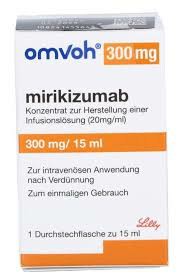
1. For patients with ulcerative colitis (UC), treatment with militizumab is usually divided into two stages: induction therapy and maintenance therapy. During the induction phase, the recommended dose is 300 mg each time, administered at 0, 4 and 8 weeks respectively, using intravenous infusion, with each infusion lasting at least 30 minutes. The purpose of this stage is to quickly control inflammation through high-dose drugs and help patients enter the remission period. After entering the maintenance treatment phase, starting from the 12th week, the recommended dose is 200 mg each time, administered by subcutaneous injection, with two injections of 100 mg each time. After that, subcutaneous injections are given every 4 weeks to maintain the effects of the drug and prevent recurrence of the disease.
2. For patients with Crohn's disease (CD), the recommended dose of militizumab for induction therapy is 900 mg each time, which should be infused intravenously at weeks 0, 4 and 8 respectively. The infusion time must be at least 90 minutes. The purpose of this phase is to quickly reduce intestinal inflammation and help patients return to a healthy state. Maintenance treatment begins at week 12, with the recommended dose being 300 mg each time, also administered by subcutaneous injection, and patients can choose to inject a combination of 100 mg and 200 mg sequentially. Thereafter, maintenance doses are given every 4 weeks.
The dosing regimen of militizumab is flexible and can be appropriately adjusted based on the patient's clinical response and tolerance. During the actual treatment process, doctors need to reasonably arrange the use of drugs and dose adjustments based on the patient's condition, treatment effects and side effects. Patients should closely monitor intestinal symptoms and drug reactions during treatment to ensure maximum efficacy.
Keyword tags: Milikizumab,Mirikizumab, ulcerative colitis, Crohn's disease, IL-23 inhibitor, drug dosage, treatment regimen, biological drugs
Reference materials:https://en.wikipedia.org/wiki/Mirikizumab
[ 免责声明 ] 本页面内容来自公开渠道(如FDA官网、Drugs官网、原研药厂官网等),仅供持有医疗专业资质的人员用于医学药学研究参考,不构成任何治疗建议或药品推荐。所涉药品可能未在中国大陆获批上市,不适用于中国境内销售和使用。如需治疗,请咨询正规医疗机构。本站不提供药品销售或代购服务。


