
.jpeg)
What are the precautions when taking Lapatinib?
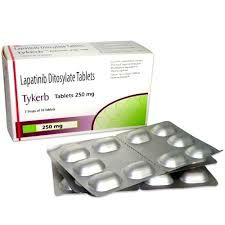
Lapatinib(Lapatinib) is a targeted drug widely used to treat HER2-positive breast cancer. It prevents the proliferation and growth of tumor cells by inhibiting the tyrosine kinase activity ofHER2 receptor and EGFR receptor. However, like other drugs, lapatinib also has risks and precautions for its use, and patients need to pay close attention and follow their doctor's instructions while taking it. The following are the main considerations when taking lapatinib:
1. Left ventricular ejection fraction (LVEF) decreases
Lapatinib may cause a decrease in left ventricular ejection fraction (LVEF), thereby affecting cardiac function. In clinical trials, more than 57% of patients experienced a decrease in LVEF within the first 12 weeks of treatment. Although long-term data are limited, lapatinib should be used with particular caution in patients with pre-existing heart disease or who are at risk for impaired cardiac function. Before treatment is initiated, a baseline assessment of LVEF should be performed on all patients and ensure that their LVEF is within the normal range. During treatment, patients should regularly monitor LVEF to ensure that it does not fall below normal limits. If a significant decrease in LVEF is found, the drug should be discontinued promptly and further evaluation and treatment of cardiac function should be carried out.
2. Hepatotoxicity
Lapatinib may cause hepatotoxicity, especially if alanine aminotransferase (ALT) or aspartate aminotransferase (AST) is greater than 3 times the upper limit of normal, and total bilirubin is greater than 2 times the upper limit of normal. Severe hepatotoxicity may even lead to death, although causation is unclear. Liver toxicity may develop within days to months after starting treatment, so patients need to have liver function tests before treatment and have liver function monitored every 4 to 6 weeks during treatment. If liver function abnormalities are severe, use of this product must be discontinued and the patient should not use it again.
3. Patients with severe liver function impairment
Caution is required when using lapatinib in patients with known severe hepatic impairment. If these patients require lapatinib, a dose reduction may be necessary to reduce the risk of hepatotoxicity. If severe hepatotoxicity occurs during treatment, use of the drug should be discontinued immediately and the patient should be prohibited from continuing use.
4. Diarrhea
Lapatinib often causes diarrhea, which may affect the effectiveness of treatment and even lead to dehydration and electrolyte imbalance. Early recognition and intervention are critical in managing diarrhea. Patients should be instructed to report diarrhea immediately if they develop and are advised to use an antidiarrheal medication (such as loperamide) at the first onset of unformed stools. In some severe cases of diarrhea, electrolytes, fluids, and even antibiotics (such as fluoroquinolones) may be needed. If diarrhea persists for more than 24 hours and is associated with fever or neutropenia, treatment may need to be interrupted or discontinued.
5. Interstitial lung disease/Pneumonia
Lapatinib has been associated with interstitial lung disease (ILD) and pneumonia when used alone or in combination with other chemotherapy agents. Patients should monitor pulmonary symptoms during treatment, especially dyspnea and cough. In patients who develop severe pulmonary symptoms, the drug should be discontinued and a pulmonary examination should be performed. If the patient is confirmed to have interstitial lung disease or pneumonia, especially if symptoms are severe, drug use should be discontinued according to treatment guidelines.
6. QT prolongation
Lapatinib has been associated with QT interval prolongation, particularly at higher concentrations. QT prolongation may cause fatal cardiac arrhythmias such as torsade de pointes. Special caution should be exercised in patients taking lapatinib, especially those with hypokalemia, hypomagnesemia, congenital long QT syndrome, or who are taking other drugs that may cause QT prolongation. Hypokalemia or hypomagnesemia should be corrected before treatment, and the electrocardiogram (ECG) and QTc interval should be monitored regularly.
7. Severe skin reactions
Lapatinib can sometimes cause serious skin reactions such as erythema multiforme, Stevens-Johnson syndrome (SJS), and toxic epidermal necrolysis (TEN). These reactions are often accompanied by progressive rash, blisters, or mucosal damage. When a life-threatening skin reaction is suspected, use of this product should be discontinued immediately and emergency medical intervention should be initiated. All patients should have their skin condition checked regularly during treatment so that any abnormalities can be detected early.
8. Embryo-fetal toxicity
Lapatinib is a fetotoxic drug and can cause harm to the fetus when used by pregnant women. In animal studies, lapatinib has been associated with fetal death or miscarriage when used during organogenesis or lactation. Based on these study results, pregnant women should avoid lapatinib use and females of reproductive potential should use effective contraception during treatment and for 1 week after the last dose. If a pregnant woman is already taking lapatinib, she should stop taking it immediately and receive appropriate consultation and treatment.
Keyword tags: lapatinib, LVEF, hepatotoxicity, diarrhea, interstitial lung disease, QT prolongation, skin reactions, embryofetal toxicity
Reference materials:https://www.ema.europa.eu/en/documents/product-information/tyverb-epar-product-information_en.pdf
[ 免责声明 ] 本页面内容来自公开渠道(如FDA官网、Drugs官网、原研药厂官网等),仅供持有医疗专业资质的人员用于医学药学研究参考,不构成任何治疗建议或药品推荐。所涉药品可能未在中国大陆获批上市,不适用于中国境内销售和使用。如需治疗,请咨询正规医疗机构。本站不提供药品销售或代购服务。


