
.jpeg)
What is the difference between selumetinib/coseutinib and sunitinib?
Among the targeted drugs for treating various cancers and genetic diseases, selumetinib and sunitinib are two drugs that have attracted much attention. Although they are both widely used clinically, they have significant differences in pharmacological mechanisms, indications, and efficacy. Understanding the differences between these two drugs can help patients and medical professionals make more scientific treatment decisions.
1. Differences in pharmacological mechanisms
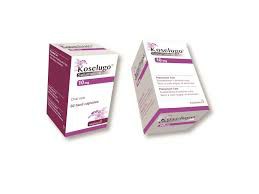
Selumetinib (Selumetinib) is a MEK inhibitor that mainly works by inhibiting the MEK (Mitogen-activated protein kinase kinase) signaling pathway. The MEK pathway is a key pathway for cell proliferation and growth, especially in the proliferation and growth of cancer cells. By inhibiting MEK, selumetinib can prevent the proliferation of cancer cells, especially for certain tumor types, such as neurofibromatosis type 1 (NF1).
Different from this, sunitinib (Sunitinib) is a multi-target tyrosine kinase inhibitor that can inhibit tyrosine kinase activity in multiple signaling pathways. It inhibits tumor growth and metastasis by interfering with the signaling pathways of multiple receptors such as VEGF (vascular endothelial growth factor) and PDGF (platelet-derived growth factor), blocking the blood supply of tumors and promoting the death of tumor cells. Sunitinib is commonly used to treat tumor types such as renal cell carcinoma and gastrointestinal stromal tumor (GIST).
2. Differences in indications and clinical applications
Selumetinib is currently mainly used to treat Type 1Neurofibromatosis (NF1) and other diseases, especially for the treatment of children and adults with Type 1 neurofibromatosis. In recent years, the application of selumetinib in some tumor types has also made certain progress, especially in combination therapy with other drugs. Due to its unique targeting effect, selumetinib is considered an emerging drug for the treatment of genetic diseases and certain cancers.
In comparison, sunitinib has a wider range of indications. It is commonly used to treat renal cell carcinoma, gastrointestinal stromal tumors (GIST), pancreatic neuroendocrine tumors and other cancer types. As a standard anti-cancer drug, sunitinib has been supported by multiple clinical trials and is widely used in the treatment of various tumors. Its broad indications in the field of cancer treatment make it one of the important drugs in clinical treatment.
3. Differences in adverse reactions and side effects
Common side effects of selumetinib include rash, diarrhea, fatigue, nausea, etc. Because it mainly acts on the MEK pathway, it is closely related to some common skin symptoms, and rash is one of its more typical adverse reactions. Although these side effects are usually mild, some patients may experience more serious adverse reactions, especially with long-term use.
Sunitinib usually causes more systemic side effects, including hypertension, oral ulcers, hand-foot syndrome, loss of appetite, fatigue, etc. The multi-target effects of sunitinib may lead to a wider range of side effects, which require special clinical monitoring and management. When patients take sunitinib, they often need to have regular blood tests, especially monitoring of kidney and liver function.
Although selumetinib and sunitinib have significant differences in their therapeutic targets, pharmacological mechanisms, indications, and side effects, they both provide important therapeutic options for cancer treatment and genetic diseases.
Keyword tags: selumetinib, sunitinib, MEK inhibitor, tyrosine kinase inhibitor, NF1, renal cell carcinoma, gastrointestinal stromal tumor, cancer treatment, drug side effects, clinical application
Reference materials:https://www.drugs.com/selumetinib.html
[ 免责声明 ] 本页面内容来自公开渠道(如FDA官网、Drugs官网、原研药厂官网等),仅供持有医疗专业资质的人员用于医学药学研究参考,不构成任何治疗建议或药品推荐。所涉药品可能未在中国大陆获批上市,不适用于中国境内销售和使用。如需治疗,请咨询正规医疗机构。本站不提供药品销售或代购服务。


