
.jpeg)
Analysis of the differences between first-, second- and third-generation targeted drugs and the application of ponatinib in treatment
Targeted drugs are usually divided into first, second and third generations according to the development process of research and development and mechanism of action. Most of the first-generation targeted drugs are first-of-its-kind molecules that directly inhibit specific targets. However, they have limited effect on drug resistance caused by mutations, and there are many common drug resistance or side effects. Second-generation targeted drugs optimize target selectivity, improve inhibition efficiency, and improve drug resistance and toxicity management based on the first generation. For example, they can also inhibit common mutant targets. The third generation of targeted drugs are designed to target drug-resistant mutations or refractory mutations, which can overcome the resistance defects of the first two generations of drugs and further improve treatment accuracy and long-term efficacy while taking into account safety.
Ponatinib (Ponatinib), as a third-generation targeted drug, is mainly used to treat chronic myelogenous leukemia (CML) and Philadelphia chromosome-positive acute lymphoblastic leukemia (Ph+ ALL). It can inhibit a variety of BCR-ABL mutations, including the T315I mutation, and overcomes the limitations of first-generation imatinib and second-generation dasatinib and nilotinib in resistance mutations. Ponatinib clinically provides an effective treatment option for patients with previous resistance or intolerance to targeted drugs, significantly improving the treatment response rate.
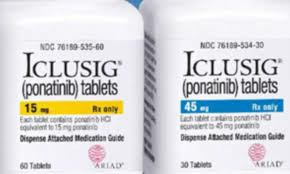
In terms of medication regimen, ponatinib is generally administered orally, and the dose is adjusted according to the patient's disease course and type of drug resistance. In clinical practice, it is often necessary to closely monitor blood pressure, hematological indicators, and the risk of cardiovascular events, because ponatinib may cause serious adverse reactions such as thrombosis, myocardial infarction, and vascular events. In the early stage of treatment, individual adjustments should be made based on the patient's condition, previous medication history, and tolerance to ensure both efficacy and safety.
Generally speaking, the main differences between first-, second- and third-generation targeted drugs lie in the coverage of drug-resistant mutations, selectivity and safety optimization. As a third-generation targeted drug, ponatinib has obvious advantages in overcoming BCR-ABL resistance mutations and improving the treatment rate of refractory patients. In clinical application, the patient's specific condition, drug resistance status and safety monitoring strategy should be combined to rationally select doses and combination regimens to achieve long-term disease management and maximize efficacy.
Keyword tags: ponatinib, third-generation targeted drug, BCR-ABL mutation, chronic myelogenous leukemia, drug resistance management
Reference materials:https://pubmed.ncbi.nlm.nih.gov/29029002/
[ 免责声明 ] 本页面内容来自公开渠道(如FDA官网、Drugs官网、原研药厂官网等),仅供持有医疗专业资质的人员用于医学药学研究参考,不构成任何治疗建议或药品推荐。所涉药品可能未在中国大陆获批上市,不适用于中国境内销售和使用。如需治疗,请咨询正规医疗机构。本站不提供药品销售或代购服务。


