
.jpeg)
Differences between domestic and imported versions of Pretomanid and suggestions for using drugs of different specifications
Pretomanid (Pretomanid) is a new anti-tuberculosis drug mainly used to treat patients with multi-drug-resistant tuberculosis (MDR-TB) and extensively drug-resistant tuberculosis (XDR-TB). It is often used in combination with bedaquiline and rifampicin alternative drugs. The ingredients of the domestic and imported versions are basically the same, both are Pretomanid tablets, but there are differences in the production process, registered batches and packaging. The domestic version is produced by domestic pharmaceutical companies and complies with the Chinese Pharmacopoeia and GMP standards. The price is relatively low and is convenient for domestic patients to obtain. The imported version is mainly from European and American original research companies and is more expensive, but has more experience in the dosage and instructions used in some clinical studies.
In terms of specifications, putomanid mainly exists in the form of tablets, and the common dosage is 100 mg/ tablets. Regardless of the domestic or imported version, clinical use requires dose adjustment based on patient weight, drug resistance type and combination medication regimen. For adult patients, in the conventional combination regimen, Pretomanid is taken orally once a day, 200–300 mg each time, and can be used in combination with bedaquiline and rifampicin alternative drugs. The course of treatment is generally 6 months. Children or patients with special weights need to adjust the dosage under the guidance of a doctor to avoid overdose or insufficient efficacy.
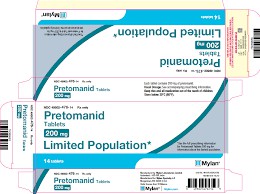
Domestic putomanid has been included in domestic medical insurance or some special drug reimbursement policies since its launch, giving domestic patients with MDR-TB and XDR-TB more economical and feasible treatment options. The imported version is mostly used in clinical trials or imported drug channels, which imposes a greater financial burden on patients. However, it is still used in some severe or complex drug-resistant cases to refer to international clinical data and usage experience. There is little difference in efficacy between different versions, but patients should confirm the source and approval number of the drug when using it to ensure safety and reliability.
Overall, both the domestic and imported versions of putomani are effective drugs against drug-resistant tuberculosis, with the same core ingredients, and clinical use follows the principle of combined treatment. The selected version should take into account the patient's financial conditions, medication availability, and treatment guideline recommendations. When using it, it is necessary to strictly follow the combination plan, dosage and course of treatment. At the same time, pay attention to liver function, blood routine and drug interactions, and regularly evaluate the efficacy and adverse reactions to achieve the best clinical management effect.
Keyword tags: Putomanid, drug-resistant tuberculosis, differences between domestic and imported products, specifications, medication recommendations
Reference materials:https://en.wikipedia.org/wiki/Pretomanid
[ 免责声明 ] 本页面内容来自公开渠道(如FDA官网、Drugs官网、原研药厂官网等),仅供持有医疗专业资质的人员用于医学药学研究参考,不构成任何治疗建议或药品推荐。所涉药品可能未在中国大陆获批上市,不适用于中国境内销售和使用。如需治疗,请咨询正规医疗机构。本站不提供药品销售或代购服务。


