
.jpeg)
Detailed analysis of usage, dosage and indications in the official instructions of Zolbetuximab
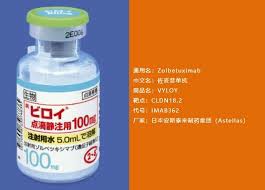
Zolbetuximab (Zolbetuximab) is an innovative monoclonal antibody drug that targets the CLDN18.2 (Claudin 18 isoform 2) protein that is highly expressed in gastric cancer and gastroesophageal junction adenocarcinoma. CLDN18.2The expression of CLDN18.2 is restricted on normal gastric mucosa, but it is highly expressed in a variety of gastric cancers and related digestive tract tumors, making it an ideal target for precise targeted therapy. Zotuximab specifically binds to CLDN18.2 and induces antibody-dependent cell-mediated cytotoxicity (ADCC) and complement-dependent cytotoxicity (CDC), thus achieving selective killing of tumor cells while being relatively safe for normal tissues.
According to the official instructions, the main indications for zotuximab are CLDN18.2 positive, HER2 negative, advanced or metastatic gastric cancer and gastroesophageal junction adenocarcinoma. It is especially suitable for patients who have not received systemic chemotherapy in the past or are eligible for combination chemotherapy. The indications clearly emphasize CLDN18.2 positive tumors, and whether the patient is suitable for the drug is determined by immunohistochemistry or other validated testing methods. Clinical trials have shown that for patients with high expression of CLDN18.2, zotuximab combined with standard chemotherapy can significantly improve the objective response rate (ORR) and progression-free survival (PFS), improve overall survival (OS), showing strong value of targeted therapy.
In terms of usage and dosage, the official instructions recommend that zotuximab be administered by intravenous infusion, and the commonly used dose is8 The initial loading dose of mg/kg is completed by intravenous infusion for about 60 minutes on the 1 day, and then the maintenance dose is 6 every 3 weeks. mg/kg, the intravenous infusion time is about 30–60 minutes. During the administration period, conventional chemotherapy regimens, such as oxaliplatin and fluorouracil drugs, should be used, and the patient's heart rate, blood pressure, and infusion-related reactions should be monitored at the same time. During the first administration and when necessary, doctors can adjust the infusion speed according to the patient's tolerance or use antihistamines and glucocorticoids prophylactically to reduce the risk of infusion reactions.
In terms of safety, the adverse reactions of zotuximab are mainly related to infusion-related and gastrointestinal reactions. Common infusion reactions include fever, chills, rash, blood pressure fluctuations and respiratory symptoms, which mostly occur during the first infusion. They are usually mild to moderate and can be alleviated by slowing down the infusion rate or symptomatic treatment. Gastrointestinal adverse reactions such as nausea, vomiting and diarrhea are common, and some patients may experience loss of appetite or weight. Hematological toxicity is relatively mild, but blood routine and liver and kidney functions still need to be monitored. When using long-term or combined chemotherapy drugs, the patient's overall tolerance should be regularly evaluated so that the plan can be adjusted in a timely manner.
In addition, the clinical application of zotuximab emphasizes precise patient selection and individualized management. Patients need to be tested for CLDN18.2 before treatment to ensure that the target is positive and to avoid ineffective medication and unnecessary toxicity risks. During the treatment process, medical staff need to closely observe infusion-related reactions, gastrointestinal symptoms, and possible immune-related events, and adjust the dose or discontinue the drug based on blood images and organ function. Proper management can maximize efficacy while ensuring patient safety.
In general, zotuximab, as a CLDN18.2 targeting monoclonal antibody, has demonstrated significant clinical value in advanced or metastatic gastric cancer and gastroesophageal junction adenocarcinoma. The official instructions clarify the indications, dosage regimen and safety monitoring points, providing comprehensive guidance for clinicians. On the basis of precise targeting and by strictly following the instructions, zotuximab can achieve effective anti-tumor effects while controlling adverse reactions within a manageable range, reflecting the important application potential of modern targeted therapy in gastrointestinal tumors.
Keyword tags: zotuximab,CLDN18.2targeting, gastric cancer, efficacy, safety
Reference materials:https://pubmed.ncbi.nlm.nih.gov/39282934/
[ 免责声明 ] 本页面内容来自公开渠道(如FDA官网、Drugs官网、原研药厂官网等),仅供持有医疗专业资质的人员用于医学药学研究参考,不构成任何治疗建议或药品推荐。所涉药品可能未在中国大陆获批上市,不适用于中国境内销售和使用。如需治疗,请咨询正规医疗机构。本站不提供药品销售或代购服务。


