
.jpeg)
A comprehensive analysis of the indications, usage, dosage and safety information in the official instructions of Cemiplimab
Cemiplimab (Cemiplimab) is a recombinant humanized monoclonal antibody that targets programmed death receptor -1 (PD-1) by blocking
According to the official instructions, the main indications for cimepilimab include patients with locally advanced or metastatic cutaneous squamous cell carcinoma (CSCC), and patients with locally advanced or metastatic non-small cell lung cancer (NSCLC), especially those who are not suitable for surgery or radiotherapy and are at risk of tumor progression. In addition, in some regions and studies, cimepilimab has also been used to explore the treatment of tumors with other PD-1 indications, such as immunotherapy clinical trials for melanoma and certain solid tumors. Its indications are mainly for advanced or metastatic tumors, emphasizing patients who are intolerant to traditional treatment options or cannot be surgically removed.
In terms of usage and dosage, the official instructions recommend intravenous infusion of cimepilimab. The standard dose is 200 mg/ once every 2 weeks. The intravenous infusion is completed in about 30 minutes. In some cases, a dosage regimen of 350 mg once every 3 weeks can also be used. For special groups, such as patients with mild to moderate impairment of liver and kidney function, dose adjustment is usually not required, but there is lack of sufficient data in patients with severe liver impairment or severe renal insufficiency and should be used with caution. The duration of treatment is usually until disease progression, intolerable toxicity occurs, or the patient decides to stop treatment, which can last up to 2 years or more in some clinical trials.
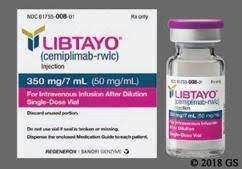
In terms of safety, cimipilimab is similar to other PD-1 inhibitors. The main adverse reaction comes from the activation of the immune system, manifested as immune-related adverse events (irAEs). Common adverse reactions include fatigue, rash, itching, diarrhea, nausea and joint pain. Of note, immune-related organ damage may involve the lungs (eg, immune pneumonitis), liver (immune hepatitis), intestines (immune colitis), endocrine system (thyroiditis, adrenal insufficiency, diabetes), kidneys, and skin. Some patients may develop serious or life-threatening immune events that require early identification and intervention. The official instructions recommend that for patients who experience grade 3 or above immune-related adverse events, cimepilimab should be suspended or discontinued and treated with glucocorticoids or other immunosuppressants.
In clinical practice, regular monitoring of blood routine, liver and kidney function, and thyroid function is the key to safe management. In addition, patients should pay attention to any abnormal symptoms during medication, such as persistent cough, difficulty breathing, severe diarrhea, or worsening of rash, and seek medical treatment in time for early treatment of immune-related adverse events. For high-risk patients, such as those with pre-existing autoimmune diseases, the benefits and risks of using cimepilimab need to be weighed and followed up closely.
In general, cimepilimab, as a PD-1 immune checkpoint inhibitor, has shown significant efficacy in locally advanced or metastatic cutaneous squamous cell carcinoma and non-small cell lung cancer. Its official instructions clarify the scope of indications, standard dosing regimen and safety monitoring points. By strictly following the instructions for usage and dosage and regularly monitoring immune-related adverse events, risks can be minimized while ensuring efficacy, and accurate and safe immunotherapy can be achieved.
Keyword tags: cimepilimab, PD-1 inhibitor, cutaneous squamous cell carcinoma, medical insurance, price
Reference materials:https://en.wikipedia.org/wiki/Cemiplimab
[ 免责声明 ] 本页面内容来自公开渠道(如FDA官网、Drugs官网、原研药厂官网等),仅供持有医疗专业资质的人员用于医学药学研究参考,不构成任何治疗建议或药品推荐。所涉药品可能未在中国大陆获批上市,不适用于中国境内销售和使用。如需治疗,请咨询正规医疗机构。本站不提供药品销售或代购服务。


