
.jpeg)
Comparison of side effects of cabozantinib and anlotinib
Cabozantinib and Anlotinib are both multi-target tyrosine kinase inhibitors and are widely used in tumor treatment. Cabozantinib is mainly used to treat advanced renal cell carcinoma (RCC), hepatocellular carcinoma (HCC), differentiated thyroid cancer (DTC), pancreatic neuroendocrine tumors (pNET), etc., while anlotinib is commonly used in non-small cell lung cancer, soft tissue sarcoma, etc. Although the therapeutic mechanisms of the two are similar, their side effect profiles are different, which affects the patient's treatment experience and effect.
1. Side effects of cabozantinib
The side effects of cabozantinib are complex and occur with a high incidence. The most common side effects include high blood pressure, loss of appetite, nausea, vomiting and diarrhea. Hypertension is a common problem with treatment, and patients need to monitor their blood pressure regularly and may need to adjust their dosage if it cannot be controlled.
In addition, cabozantinib may cause liver function abnormalities, manifested by elevated transaminases. Some patients may develop liver damage, so liver function needs to be checked regularly during treatment. In the digestive system, nausea, vomiting, and diarrhea are common and usually resolve with treatment, but some patients may require symptomatic treatment.
Skin reactions are also one of the side effects of cabozantinib, such as rash, dryness, and hair loss. In severe cases, hand-foot syndrome may occur, causing swelling and skin loss on the hands and feet.
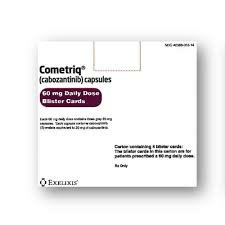
2. Side effects of anlotinib
The side effects of anlotinib are generally mild and well tolerated by patients. The most common side effects include high blood pressure, fatigue, loss of appetite, and mild diarrhea. Although hypertension remains a common adverse effect, its incidence is low and it can usually be controlled with antihypertensive medications.
Gastrointestinal side effects of anlotinib are milder than those of cabozantinib. Although nausea and diarrhea may occur in some patients, symptoms are usually mild and can be resolved with symptomatic treatment in most patients. Skin reactions such as rashes and dryness are milder, and serious skin problems are less likely to occur.
Anlotinib also has less impact on the hematological system, and the incidence of anemia and leukopenia is low, which makes anlotinib more suitable in patients with more fragile hematology.
3. Comparison of side effects between the two
Although cabozantinib and anlotinib are both targeted drugs, their side effects are significantly different. The side effects of cabozantinib are complex, especially in terms of hypertension, abnormal liver function and skin reactions, and patients need to be monitored more strictly. In contrast, anlotinib has mild side effects, mainly high blood pressure and mild digestive system problems. It is better tolerated by patients and has less impact on daily life.
Cabozantinib is suitable for patients who require stronger anti-tumor effects, especially those with advanced renal cell carcinoma and liver cancer, but its side effects require close monitoring. Anlotinib is suitable for patients who are sensitive to side effects. The side effects are mild and the treatment is relatively mild. Patients should choose appropriate treatment drugs based on their condition, tolerance, and side effects management needs.
Keyword tags: cabozantinib, anlotinib, side effects, targeted therapy, hypertension, liver function, digestive system, skin reaction
Reference materials:https://www.medicines.org.uk/emc/product/15682/smpc
[ 免责声明 ] 本页面内容来自公开渠道(如FDA官网、Drugs官网、原研药厂官网等),仅供持有医疗专业资质的人员用于医学药学研究参考,不构成任何治疗建议或药品推荐。所涉药品可能未在中国大陆获批上市,不适用于中国境内销售和使用。如需治疗,请咨询正规医疗机构。本站不提供药品销售或代购服务。


