
.jpeg)
A comprehensive analysis of the indications, usage, dosage and precautions in the official instructions of Daprodustat
Daprodustat is an oral small molecule drug that belongs to the erythropoietin receptor (HIF-PH) inhibitor class. It is used to treat anemia related to chronic kidney disease (CKD), especially non-dialysis and dialysis-dependent chronic kidney disease patients. Its mechanism of action is to inhibit hypoxia-inducible factor prolyl hydroxylase (HIF-PH) and stabilize HIF-α subunit, thereby promoting the production of endogenous erythropoietin (EPO) and improving iron metabolism and hemoglobin production. Compared with traditional erythropoietin therapy, daprostat can be administered orally, is more convenient to use, and can better simulate physiological EPO production, reducing the risk of peak and valley fluctuations.
According to the official instructions, the indications of daprostat mainly include the treatment of anemia in patients with chronic kidney disease who are non-dialysis dependent (ND-CKD) and dialysis-dependent (DD-CKD). The recommended starting dose is generally 4 mg once daily for patients with ND-CKD and 6 mg once daily for patients with DD-CKD. Dose adjustment needs to be based on dynamic monitoring of hemoglobin levels, usually every four weeks, and dose increases or decreases based on hemoglobin changes and patient tolerance. Excessive rise in hemoglobin may increase cardiovascular risk, so the adjustment strategy should be cautious to avoid hemoglobin rising by more than 1g/dl every four weeks.
In terms of usage, daplestat should be taken orally, with meals or on an empty stomach, but the taking time should be kept as consistent as possible every day to maintain stable blood concentration. Patients should avoid concurrent use with strong CYP2C8 inhibitors or inducers during medication, as these drugs may significantly affect the blood concentration of dapostat, increase adverse reactions or reduce efficacy. Common adverse reactions include hypertension, venous thrombosis, headache, nausea, and upper respiratory tract infection. Some patients may experience a rapid increase in hemoglobin or fluctuations in blood pressure, so blood pressure, hemoglobin, and iron metabolism indicators need to be monitored regularly.
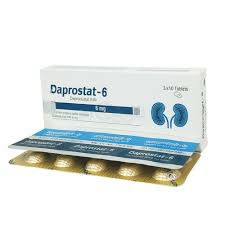
In terms of precautions, the patient's cardiovascular history, including previous thrombotic events, coronary heart disease, heart failure and cerebrovascular disease, should be assessed before the use of daprostat, so that monitoring can be strengthened during the medication. Pregnant and lactating women should avoid use, and women of childbearing age should take effective contraceptive measures. During long-term treatment, patients should cooperate with regular hematology examinations, liver and kidney function assessments, and blood pressure monitoring. They should also pay attention to a balanced diet and iron intake to assist in the efficacy of the drug and reduce potential risks.
In terms of dose adjustment strategy, when hemoglobin is lower than the target range, the dose can be gradually increased, and one adjustment should not exceed 2 mg; when hemoglobin exceeds the target upper limit or rises too fast, the dose should be temporarily interrupted or reduced until the hemoglobin falls back to a safe range. For patients with iron deficiency, oral or intravenous iron supplementation can be combined to ensure adequate iron supply and promote hemoglobin production. In clinical practice, individualized plans should be formulated based on the patient's underlying disease, dialysis type, and past drug reactions.
The use of special groups also requires attention: elderly patients are more sensitive to blood pressure fluctuations and cardiovascular events, and dosage adjustments should be more cautious; patients with abnormal liver function may affect drug metabolism and should be used with caution or reduce the dosage under the guidance of a doctor; patients who are sensitive to CYP2C8 substrates also need to pay attention to the risk of drug interactions. If patients are taking concomitant anticoagulants or antiplatelet drugs, attention should be paid to the balance between thrombotic and bleeding risks.
In clinical studies, daprostat has shown that compared with traditional erythropoietin treatment, oral administration is more convenient and hemoglobin control is stable, and it can significantly improve anemia symptoms and quality of life. At the same time, research also suggests that long-term treatment may be related to cardiovascular risks, and efficacy and safety need to be comprehensively evaluated. Patients should work closely with professional doctors for regular follow-up and laboratory monitoring to achieve safe and effective anemia management.
In general, daprodustat (Daprodustat) is an innovative oral drug for CKD-related anemia. It improves patients' hemoglobin levels by precisely regulating endogenous EPO production and iron metabolism. Its official instructions provide detailed indications, usage, dosage and precautions, emphasizing the importance of individualized treatment, dynamic monitoring of hemoglobin and cardiovascular safety management. Through a scientific and reasonable medication strategy, daprostat can reduce the risk of adverse reactions while ensuring efficacy, providing a convenient, safe and effective treatment option for patients with chronic kidney disease.
Keyword tags: daporostat, HIF-PHinhibitor, anemia in chronic kidney disease, oral drugs, cardiovascular risk
Reference materials:https://pubmed.ncbi.nlm.nih.gov/?term=daprodustat
[ 免责声明 ] 本页面内容来自公开渠道(如FDA官网、Drugs官网、原研药厂官网等),仅供持有医疗专业资质的人员用于医学药学研究参考,不构成任何治疗建议或药品推荐。所涉药品可能未在中国大陆获批上市,不适用于中国境内销售和使用。如需治疗,请咨询正规医疗机构。本站不提供药品销售或代购服务。


