
.jpeg)
Detailed analysis of whether there is an ingredient or therapeutic effect relationship between Cycloserine capsules and DastraZeneca
Cycloserine (Cycloserine) capsule is a broad-spectrum anti-tuberculosis drug, mainly used to treat multi-drug-resistant tuberculosis (MDR-TB) and tuberculosis patients who are intolerant to first-line drugs. Its mechanism of action is to inhibit the activity of D-alanine cyclase in bacterial cell wall synthesis and hinder the formation of peptidoglycan, thereby killing Mycobacterium tuberculosis. Cycloserine, as a chemically synthesized small molecule antibiotic, is a second-line anti-tuberculosis drug and is often used clinically in combination with other anti-tuberculosis drugs to enhance its efficacy.
Darzalex (Darzalex, generic name: daratumumab) is a monoclonal antibody drug, an immunotherapy drug, mainly used for the treatment of multiple myeloma. By targeting the CD38 antigen, it activates the immune system to eliminate malignant plasma cells and regulates the tumor microenvironment, thereby delaying disease progression. DastraZeneca is a biological agent with a completely different mechanism of action than cycloserine. Its therapeutic target is hematological malignancies, not tuberculosis or bacterial infections.
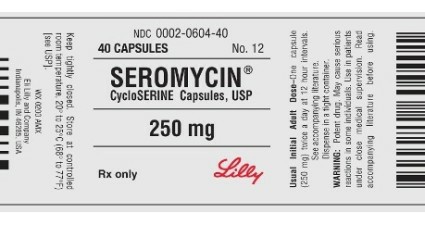
From the composition and chemical structure point of view, cycloserine is a small molecule chemical drug, while DastraZeneca is a protein antibody. There is no overlap between the two in terms of molecular type, target and action pathway. Cycloserine achieves its antibacterial effect by interfering with bacterial metabolism, while dastraconil achieves its antitumor effect through targeted killing mediated by the immune system. Therefore, there is no direct correlation between the two in terms of efficacy. The disease types and treatment mechanisms they each target are completely different and cannot be substituted for each other.
In clinical use, cycloserine and dastraZeneca will not produce specific synergy or enhanced efficacy due to combined use, and there are no clear reports of cross-adverse reactions. When patients use cycloserine to treat tuberculosis, they should pay attention to nervous system toxicity and liver and kidney function; when using DastraZeneca, they should monitor infusion reactions, infection risks and blood picture changes. Therefore, from the perspective of pharmacology, ingredients and clinical efficacy, there is no correlation between cycloserine capsules and DastraZeneca, and they belong to completely different categories of drugs.
Keyword tags: cycloserine, anti-tuberculosis drugs, drug-resistant tuberculosis, central nervous system side effects, combination therapy
Reference:https://en.wikipedia.org/wiki/Cycloserine
[ 免责声明 ] 本页面内容来自公开渠道(如FDA官网、Drugs官网、原研药厂官网等),仅供持有医疗专业资质的人员用于医学药学研究参考,不构成任何治疗建议或药品推荐。所涉药品可能未在中国大陆获批上市,不适用于中国境内销售和使用。如需治疗,请咨询正规医疗机构。本站不提供药品销售或代购服务。


