
.jpeg)
What are the precautions for using Trientine?
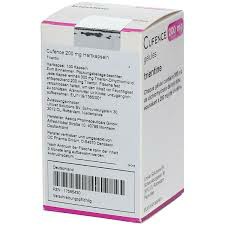
Trientine(Trientine) is a chelating agent mainly used to treat Wilson's disease (copper accumulation disease). Its mechanism of action is to reduce the accumulation of copper in the body by combining with excess copper ions in the body, thereby effectively preventing copper from damaging the liver and other organs. However, during treatment with trientine, rare disease patients need to pay attention to some usage guidelines to ensure treatment effectiveness and avoid potential side effects.
First, the use of trientine does not have a significant impact on the ability to drive and operate machinery, and patients can typically continue to carry out daily activities. However, patients still need to pay close attention to possible side effects during use and provide timely feedback to their doctors on their physical conditions, especially in the early stages of treatment.
1. Precautions when changing preparations
Caution is advised if patients need to switch from another trientine formulation to trientine. Different formulations may vary in trientine content (e.g., alkaline ingredients), which may affect the bioavailability of the drug. Patients may need dosage adjustments during the conversion process to ensure therapeutic efficacy and safety of the drug. Therefore, when changing drugs, it must be done under the guidance of a doctor, and the treatment response must be monitored regularly.
2. Serum iron level and need for iron supplementation
Trientine has a known side effect as a chelating agent - it can reduce serum iron levels. Prolonged use of trientine may result in iron deficiency, which may have consequences for the patient's health. In this case, patients may need iron supplements to maintain normal iron levels, but it must be noted that iron supplementation should be staggered with the taking of trientine to avoid mutual interaction. It is best to take iron and trientine at least 2 hours apart to ensure that the effects of the two do not interfere with each other. During the treatment process, the doctor will make timely adjustments according to the patient's serum iron level and prescribe oral iron supplements if necessary.
3. Interaction with antacid drugs
Some patients may also need to take antacid medications to relieve symptoms such as hyperacidity. Based on available data, calcium and magnesium antacids do not have a significant effect on the efficacy of trientine. However, to ensure maximum effectiveness of both, it is recommended that patients take trientine and antacids at different times. This avoids potential interference that antacid medications may have on trientine absorption.
4. Risk of lupus-like reactions
In some accepted casesLupus-like reactions have been reported during treatment with trientine in patients treated with D-penicillamine, another copper chelator. Lupus-like reactions manifest themselves as rashes, joint pain, fever and other symptoms, and are related to an abnormal response of the immune system. However, there is currently insufficient evidence to suggest that trientine is a direct cause of lupus-like reactions. Nonetheless, when prescribing trientine treatment, doctors usually fully evaluate the patient's medical history, especially those who have used penicillamine, and monitor them during treatment.
During treatment with trientine, patients must be monitored by a doctor regularly so that the treatment plan can be adjusted in a timely manner. Especially early in treatment, doctors will closely monitor copper levels and the patient's clinical symptoms. This helps ensure the effectiveness of treatment and timely adjustment of dosage to avoid side effects of copper overdose or deficiency on the patient's body. Doctors usually recommend that patients have their copper levels and liver function tested at least twice a year. Regular medical monitoring is a critical step in ensuring successful treatment.
Keyword tags: trientine,Wilson's disease, chelating agents, serum iron levels, lupus-like reactions, antacid drugs, treatment monitoring, copper levels
Reference materials:https://www.ema.europa.eu/en/documents/product-information/cuprior-epar-product-information_en.pdf
[ 免责声明 ] 本页面内容来自公开渠道(如FDA官网、Drugs官网、原研药厂官网等),仅供持有医疗专业资质的人员用于医学药学研究参考,不构成任何治疗建议或药品推荐。所涉药品可能未在中国大陆获批上市,不适用于中国境内销售和使用。如需治疗,请咨询正规医疗机构。本站不提供药品销售或代购服务。


