
.jpeg)
Important points to note when using Omarigliptin, contraindication groups and safe medication risk analysis
Omarigliptin is a long-acting dipeptidyl peptidase -4 (DPP-4) inhibitor, mainly used for blood sugar management of type 2 diabetes. Its pharmacological effects are through inhibiting DPP-4enzyme activity and prolonging glucagon-like peptide-1 (GL P-1) and glucose-dependent insulin secretagogue (GIP), thereby promoting insulin secretion and suppressing postprandial blood glucose rises while posing less risk of hypoglycemia. The long-acting nature of ologliptin allows it to be taken only once a day, which improves patients' medication compliance, but it is still necessary to pay attention to various aspects of safety and risk management during use.
In terms of precautions for use, ologliptin should be taken at a fixed time every day to maintain stable blood concentration and exert a sustained hypoglycemic effect. Patients can take it with or without food, but should not change the dose or stop the medication suddenly to avoid blood sugar fluctuations. For patients who are taking insulin or sulfonylureas, they should pay attention to the risk of hypoglycemia and adjust the dosage or monitor blood sugar under the guidance of a doctor if necessary. In addition, when using ologliptin for the first time, attention should be paid to renal function, especially in patients with renal insufficiency, because the drug is mainly excreted through the kidneys, and impaired renal function may lead to increased plasma concentrations.
In terms of contraindicated groups, ologliptin is not suitable for patients with type 1 diabetes, diabetic ketoacidosis, or individuals who are allergic to ologliptin and its preparation ingredients. Patients with severely impaired renal function or who are undergoing dialysis should use it with caution and the dosage must be adjusted under the guidance of a professional doctor. Ologliptin is generally not recommended for pregnant and lactating women due to a lack of adequate safety data. When using other antidiabetic drugs together, the risk of hypoglycemia and drug interactions should be evaluated to ensure the safety of treatment.
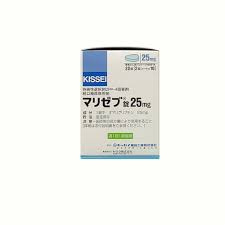
The risks of long-term medication mainly involve cardiovascular, renal and pancreatic systems. Existing studies show that ologliptin is generally well tolerated, but individual patients may experience mild upper respiratory tract infection, headache, gastrointestinal discomfort, or slight changes in weight. Some studies have suggested that DPP-4 inhibitors may be associated with an increased risk of pancreatitis. Therefore, if you experience abdominal pain, nausea or persistent discomfort, you should seek medical treatment promptly and discontinue medication for examination. At the same time, long-term use requires attention to the occurrence of cardiovascular events, especially in patients with heart failure or coronary heart disease. They should follow the guidance of a doctor and regularly monitor cardiac and renal function indicators.
In clinical application practice, the use of ologliptin should follow the principle of individualization, and the plan should be formulated based on the patient's age, disease course, renal function and previous medication. For patients receiving initial treatment or combined use with other oral hypoglycemic drugs, the dosage should be adjusted step by step under the guidance of a doctor, and the efficacy and adverse reactions should be observed. Management of daily life is equally important, including regular diet, moderate exercise, and blood glucose monitoring to optimize drug efficacy.
In general, ologliptin (Omarigliptin) has the advantages of long-term and stable hypoglycemic effect and good medication compliance in the management of type 2 diabetes. However, its safe use relies on proper dosage planning, individualized assessment and regular monitoring. Patients should pay attention to renal function, blood sugar changes and potential adverse reactions during medication, and maintain close communication with their doctors. When used properly, ologliptin can provide effective blood sugar management for diabetic patients while minimizing potential risks and achieving a balance between efficacy and safety.
Keyword tags: Ologliptin, DPP-4inhibitor, 2 type diabetes, long-acting hypoglycemic, medication safety
Reference materials:https://pubmed.ncbi.nlm.nih.gov/26310692/
[ 免责声明 ] 本页面内容来自公开渠道(如FDA官网、Drugs官网、原研药厂官网等),仅供持有医疗专业资质的人员用于医学药学研究参考,不构成任何治疗建议或药品推荐。所涉药品可能未在中国大陆获批上市,不适用于中国境内销售和使用。如需治疗,请咨询正规医疗机构。本站不提供药品销售或代购服务。


