
.jpeg)
Comprehensive evaluation of the efficacy and safety of datopotamab
Datopotamab (Datopotamab) is a new type of antibody drug conjugate (ADC) that combines monoclonal antibodies with cytotoxic drugs to achieve precise attacks on cancer cells. As a targeted therapy drug, dabrotuzumab specifically targets cancer cells that express Trop-2 (tumor-associated antigen) on their surface, and has shown significant clinical potential in the treatment of tumor types such as non-small cell lung cancer (NSCLC) and triple-negative breast cancer.
The efficacy of dabrotomab is based on its ability to targetTrop-2 antigen. Trop-2 is a glycoprotein highly expressed in a variety of malignant tumors and is involved in the proliferation, migration and metastasis of tumor cells. Therefore, dabrotuzumab binds to Trop-2 and releases the cytotoxic drugs it carries into cancer cells, directly inhibiting the proliferation of cancer cells and causing cancer cell death through the apoptosis mechanism.
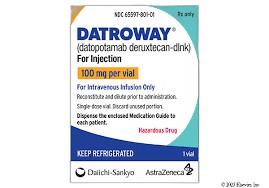
In multiple clinical trials, dabrotuzumab has shown significant efficacy, particularly in the treatment of advanced or metastatic cancer. For example, when treating patients with advanced non-small cell lung cancer (NSCLC) and triple-negative breast cancer (TNBC), dabrotuzumab can effectively delay disease progression and improve patients' progression-free survival (PFS) and objective response rate (ORR). These data suggest that dabrotuzumab may provide a new treatment option for patients with these difficult-to-treat cancers, especially when conventional treatments are ineffective.
More importantly, the efficacy of dabrotuzumab was also enhanced in combination therapy. For example, when combined with immune checkpoint inhibitors such as pembrolizumab, dabrotuzumab effectively stimulates a patient's immune system, thereby enhancing the anti-tumor response. The combination of immunotherapy and targeted therapy brings more treatment opportunities to patients, especially when the tumor immune microenvironment is relatively suppressive.
In addition, dabrotuzumab has also been explored for use in combination with chemotherapy drugs (such as paclitaxel and carboplatin). This combination treatment regimen further enhances the anti-tumor effect through the complementary effects of targeted therapy and traditional chemotherapy. Its data in clinical trials provide the drug with broader indications and application potential in the treatment of multiple types of cancer.
Although dabrotuzumab has shown significant efficacy, like all anti-cancer drugs, its safety issues cannot be ignored. The side effects of drugs are often related to their cytotoxic components, because such drugs not only affect tumor cells, but may also affect normal cells, especially cells with high proliferation.
In clinical trials, common adverse reactions of dabrotumumab include gastrointestinal reactions, skin reactions, and bone marrow suppression. Gastrointestinal reactions such as nausea, vomiting, and diarrhea are the most common symptoms, and patients usually require preventive pharmacological intervention before treatment, such as anti-nausea drugs or antidiarrheal drugs.
Although the side effects of dabrotumumab are relatively controllable, it still requires close monitoring during treatment. Especially when immune-related side effects occur, patients may encounter serious problems such as immune pneumonia and cardiotoxicity, which requires doctors to make timely intervention based on clinical manifestations.
Keyword tags:
Dedabrotomab, antibody drug conjugate, efficacy, safety, targeted therapy, non-small cell lung cancer, triple-negative breast cancer, clinical trials, adverse reactions, immunotherapy, chemotherapy combination, myelosuppression
Reference materials:https://dailymed.nlm.nih.gov/dailymed/drugInfo.cfm?setid=2950227c-6230-4ca4-a135-46e44d9424a0
[ 免责声明 ] 本页面内容来自公开渠道(如FDA官网、Drugs官网、原研药厂官网等),仅供持有医疗专业资质的人员用于医学药学研究参考,不构成任何治疗建议或药品推荐。所涉药品可能未在中国大陆获批上市,不适用于中国境内销售和使用。如需治疗,请咨询正规医疗机构。本站不提供药品销售或代购服务。


