
.jpeg)
The efficacy of inavolisib combined with palbociclib and fulvestrant
Inavolisib (Inavolisib) is a targeted therapy drug, as a PI3K inhibitor, used to treat patients with HR-positive, HER2-negative breast cancer related to PIK3CA mutations. It is designed to be used in combination with other drugs and has shown superior efficacy particularly in the treatment of patients with endocrine-resistant breast cancer. During treatment, inaliset is often combined with palbociclib and fulvestrant, and the combination of these three forms an effective treatment regimen, especially in those patients who are resistant to endocrine therapy (ET).
According toNCT04191499 (INAVO120) study, which is a multi-center, randomized, double-blind, placebo-controlled Phase III clinical trial designed to evaluate the efficacy of inaliside in combination with palbociclib and fulvestrant. The study targeted 325 patients with endocrine-resistant, PIK3CA-mutated, HR-positive, HER2-negative locally advanced or metastatic breast cancer who had disease progression or recurrence after receiving adjuvant endocrine therapy and had not previously received systemic treatment for locally advanced or metastatic disease. The results of the study showed that the efficacy of inaliset combined with palbociclib and fulvestrant was significantly better than the treatment group of placebo combined with palbociclib and fulvestrant.
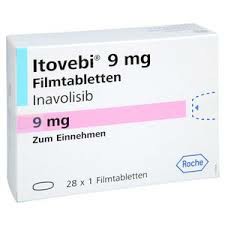
First of all, the primary efficacy outcome of the study is progression-free survival (PFS). According to the RECIST criteria evaluated by the investigators, the median PFS of inaliside + palbociclib + fulvestrant was 15.0 months, while the median PFS of the placebo group was 7.3 months. This difference indicates that the addition of inaliset significantly prolonged the progression-free survival of patients. Secondly, the objective response rate (ORR) also showed significant differences. The ORR in the inaliside combination treatment group was 58%, while the placebo group was only 25%. These results fully demonstrate the advantages of inaliset in improving treatment response in breast cancer patients.
In addition, although the interim analysis of overall survival (OS) did not reach statistical significance, the risk assessment still supported the overall benefit of the inaliside combination therapy. Median survival data showed that the expected survival time of patients in the inaliset group was longer than that of the placebo group, and the hazard ratio (HR) was 0.64, indicating that the treatment group had a significant survival advantage.
However, despite its remarkable efficacy, combination therapy is also associated with certain adverse effects. The most common adverse reactions include neutropenia, decreased hemoglobin, increased fasting blood glucose, thrombocytopenia, lymphopenia, stomatitis, diarrhea, etc. These adverse reactions need to be monitored and managed during treatment. Especially in terms of blood sugar control, inalise may cause an increase in fasting blood sugar, so the patient's blood sugar level needs to be monitored regularly during treatment and corresponding intervention performed.
Palbociclib and fulvestrant in the treatment plan are also key drugs. Palbociclib, as aCDK4/6 inhibitor, can effectively inhibit the proliferation of tumor cells, and its combination with inaliset can enhance the anti-cancer effect. Fulvestrant, as a hormone therapy drug, can effectively inhibit the growth of hormone-dependent breast cancer, especially in the treatment of endocrine-resistant patients.
Keyword tags:
Inaliset, palbociclib, fulvestrant, combination efficacy, breast cancer, PIK3CA mutations, progression-free survival, objective response rate, survival, breast cancer treatment, clinical trials
References:https://www.fda.gov/drugs/resources-information-approved-drugs/fda-approves-inavolisib-palbociclib-and-fulvestrant-endocrine-resistant-pik3ca-mutated-hr-positive
[ 免责声明 ] 本页面内容来自公开渠道(如FDA官网、Drugs官网、原研药厂官网等),仅供持有医疗专业资质的人员用于医学药学研究参考,不构成任何治疗建议或药品推荐。所涉药品可能未在中国大陆获批上市,不适用于中国境内销售和使用。如需治疗,请咨询正规医疗机构。本站不提供药品销售或代购服务。


