
.jpeg)
Analysis of whether isatuximab (Xacoyi) is a targeted drug and its mechanism of action and clinical application principles
Isatuximab (Isatuximab) is a humanized monoclonal antibody drug. It is a typical targeted drug and is mainly used for the treatment of hematological malignancies such as multiple myeloma (MM). As a targeted drug, isatuximab can accurately recognize and bind to the specific molecular target on the surface of tumor cells - the CD38 receptor, thereby achieving selective killing of abnormally proliferating plasma cells. This precise targeting mechanism not only improves the therapeutic efficacy, but also reduces damage to normal cells to a certain extent, providing an important treatment option for patients with multiple myeloma.
The mechanism of action of isatuximab mainly relies on multiple immune-mediated effects. By binding to the CD38 receptor, it can induce antibody-dependent cell-mediated cytotoxicity (ADCC), antibody-dependent phagocytosis (ADCP), and complement-dependent cytolysis (CDC). These immune mechanisms work together to quickly identify and eliminate tumor cells, thereby inhibiting the proliferation and spread of diseased cells. In addition, isatuximab can also directly trigger tumor cell apoptosis signals and further enhance its killing ability against myeloma cells. This multiple mechanism of action gives it obvious advantages in treatment.
In terms of clinical application principles, isatuximab is usually used in combination with other standard chemotherapy or targeted drugs, such as lenalidomide (Lenalidomide) or bortezomib (Bortezomib), to enhance the therapeutic effect. The combination regimen can work synergistically through different mechanisms to improve the clearance rate of myeloma cells and delay the occurrence of drug resistance. In clinical trials, isatuximab combined with chemotherapy significantly prolonged patients' progression-free survival (PFS), improved the overall response rate (ORR), and showed good efficacy in patients with relapsed or refractory multiple myeloma who had previously received multiple lines of therapy.
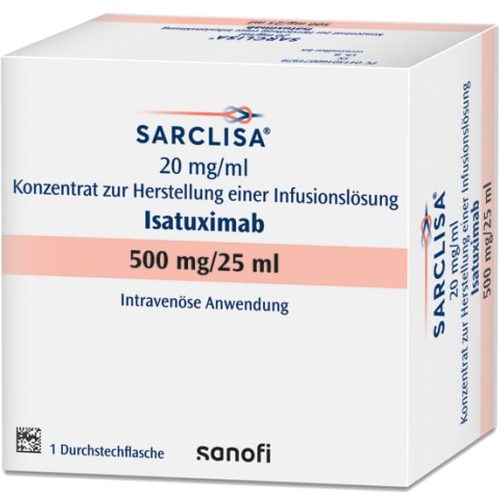
Isatuximab has also shown some efficacy in monotherapy, especially in patients who are intolerant or have poor response to other standard treatments. Single-agent use can simplify treatment regimens, reduce the risk of potential drug interactions, and provide a feasible long-term management option for some patients. However, the efficacy of a single drug is slightly lower than that of combination therapy. Therefore, in clinical practice, doctors usually decide on a single drug or combination use strategy based on the patient's specific condition, previous medication history, and tolerance.
Safety and tolerability are important considerations for the clinical application of isatuximab. Common adverse reactions include infusion-related reactions, fatigue, fever, thrombocytopenia, or infection. Infusion reactions mostly occur during the initial administration and can be significantly alleviated by slowing down the infusion rate or using pretreatment drugs. Long-term use requires regular monitoring of blood routine, liver and kidney function and infection risk, and the dosage regimen should be adjusted according to the patient's clinical condition to balance efficacy and safety.
Individualized treatment is particularly important in the application of isatuximab. Doctors will develop an individualized dose and dosing interval plan based on the patient's age, weight, renal function, previous treatment history and comorbidities. For example, patients with impaired renal function or cardiovascular disease may need to adjust the infusion rate or increase monitoring to reduce the risk of adverse events. At the same time, patients should cooperate with hematology and imaging monitoring during use so that potential problems can be discovered in time and treatment strategies can be adjusted.
In general, isatuximab (Isatuximab), as a monoclonal antibody drug targeting CD38, achieves precise killing of multiple myeloma cells through multiple immune-mediated mechanisms and direct pro-apoptotic effects. It shows significant efficacy in combination therapy and provides a new treatment option for relapsed or refractory patients. Through individualized dose adjustment, combined medication strategies and long-term monitoring, isatuximab can significantly improve patients' survival and quality of life while ensuring safety, providing scientific basis and clinical support for precision treatment of multiple myeloma.
Reference materials:https://en.wikipedia.org/wiki/Isatuximab
[ 免责声明 ] 本页面内容来自公开渠道(如FDA官网、Drugs官网、原研药厂官网等),仅供持有医疗专业资质的人员用于医学药学研究参考,不构成任何治疗建议或药品推荐。所涉药品可能未在中国大陆获批上市,不适用于中国境内销售和使用。如需治疗,请咨询正规医疗机构。本站不提供药品销售或代购服务。


