
.jpeg)
Analysis of indications, treatment scope, clinical efficacy and usage guidelines of Rutrombopag (Wenda)
Lusutrombopag is an oral thrombopoietin receptor agonist. It mainly acts selectively on the thrombopoietin (TPO) receptor to stimulate the proliferation and differentiation of bone marrow megakaryocytes, thereby increasing platelet production. This drug is widely used clinically in patients with chronic liver disease and thrombocytopenia, especially those who require invasive procedures or surgeries. Since cirrhosis or other chronic liver diseases are often accompanied by thrombocytopenia, directly increasing platelet levels is of great significance to prevent surgical bleeding and improve treatment safety. Rutrombopag provides a new treatment option for patients with thrombocytopenia due to its oral administration, rapid onset of action and good safety.
The main indication for Rutrombopag is in patients with chronic liver disease who are at risk of surgery or invasive procedures due to thrombocytopenia. Traditional treatment usually relies on platelet transfusion, but transfusion has limitations such as tight blood supply, allergic reactions, and short-term effects. Rutrombopag can significantly increase platelet counts in a short period of time when administered orally, providing a safe platelet level for surgery. In addition, Rutrombopag has also been shown in clinical studies to have certain potential in the long-term management of chronic liver disease accompanied by thrombocytopenia, which can reduce the need for repeated platelet transfusions and improve patients' treatment experience and quality of life.
In terms of clinical efficacy, multiple randomized controlled trials have shown that Rutrombopag can significantly increase platelet counts, shorten preparation time before surgery, and reduce dependence on platelet transfusions. Trial data shows that most patients' platelet counts reach a safe range after taking the drug for 5 to 7 days and can successfully complete planned invasive procedures. Compared with traditional platelet transfusions, the use of Rutrombopag reduces the number of transfusions and associated complications, such as allergic reactions and the risk of infection, while reducing hospital stays and medical costs. In addition, the drug is well tolerated, and common adverse reactions include mild headache, fatigue, or gastrointestinal discomfort. Most of them are reversible and do not affect surgical arrangements.
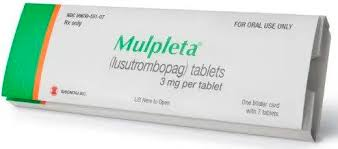
In terms of usage guidelines, Rutrombopag is usually taken orally from 10 to 13 days before surgery, once a day, and a course of treatment lasts from 5 to 7 days. The dose needs to be individually adjusted based on the patient's weight, baseline platelet level, and liver function status. During treatment, platelet counts should be monitored regularly to assess drug efficacy and adjust dosage. For patients whose platelet count rises too quickly or exceeds the safe range, medication should be suspended or surgery delayed to avoid the risk of blood clots. At the same time, for patients with severe liver and kidney damage or high risk of blood clots, detailed evaluation is required before use and the medication must be used with caution under the guidance of a doctor.
The clinical application of Rutrombopag in preoperative management also emphasizes combination strategies with other treatments. For example, for patients who need to receive anticoagulant therapy at the same time or have abnormal liver function, doctors may combine platelet counts, coagulation indicators, and surgical risks to develop an individualized plan to ensure that the surgery goes smoothly. During the use of the drug, patients should strictly follow the doctor's instructions and are not allowed to adjust the dosage or stop the drug on their own to ensure efficacy and safety. At the same time, the patient's platelet count still needs to be followed up after surgery to observe the recovery and prevent possible complications.
In the long term, Rutrombopag not only provides an effective solution for preoperative management of chronic liver disease accompanied by thrombocytopenia, but also shows advantages in reducing dependence on platelet transfusion and reducing hospital resource consumption. Research shows that it can provide patients with more flexible surgical schedules, reduce the risk of surgical delays or cancellations, and improve patients' treatment compliance and quality of life. In addition, with the accumulation of clinical experience, the usage specifications and efficacy evaluation of Rutrombopag in patients with different types of liver diseases and different baseline platelet levels are constantly improving, providing a scientific basis for future guideline updates and clinical promotion.
In general, Lusutrombopag (Lusutrombopag), as an oral TPO receptor agonist, can effectively improve the safety of surgery in patients with chronic liver disease and thrombocytopenia by increasing platelet production. It has clear indications, significant efficacy, good tolerance, and is easy to use, providing an alternative or supplementary solution to traditional platelet transfusion. In clinical practice, through individualized dose adjustment, preoperative platelet monitoring and combined treatment strategies, Rutrombopag can improve patient treatment experience while ensuring surgical safety, providing important support for the comprehensive management of thrombocytopenia in chronic liver disease.
Reference materials:https://pubmed.ncbi.nlm.nih.gov/26666417/
[ 免责声明 ] 本页面内容来自公开渠道(如FDA官网、Drugs官网、原研药厂官网等),仅供持有医疗专业资质的人员用于医学药学研究参考,不构成任何治疗建议或药品推荐。所涉药品可能未在中国大陆获批上市,不适用于中国境内销售和使用。如需治疗,请咨询正规医疗机构。本站不提供药品销售或代购服务。


