
.jpeg)
Analysis of the long-term safety and treatment duration of Pitobrutinib/Pitobrutinib (Jepali)
Pirtobrutinib (pirtobrutinib) is a new, highly selective oral Bruton's tyrosine kinase (BTK) inhibitor, mainly used to treat relapsed or refractory patients
In terms of long-term safety, data from Phase I/II and Phase III clinical trials have shown that Pitobrutinib is generally well tolerated. The most common adverse reactions include mild to moderate fatigue, diarrhea, muscle and joint pain, and mild bleeding events, with a low incidence of serious adverse events. Compared with first-generation covalent BTK inhibitors, pitubrutinib has a significantly lower incidence of cardiovascular adverse events such as atrial fibrillation or hypertension. This feature makes it more suitable for long-term use in elderly patients or patients with concomitant cardiovascular diseases. In terms of hematology, some patients may experience moderate leukopenia and thrombocytopenia, but most of them can recover after dose adjustment or supportive treatment, which shows the controllability of the drug in long-term treatment.
The duration of treatment is another key issue in the use of pitubrutinib. As targeted drugs, their treatment strategies usually emphasize continued use until disease progression or intolerable toxicity occurs. In clinical practice, pitubrutinib can maintain its efficacy for a long time, and some patients can take it continuously for several years while their disease remains stable. In real-world data, some patients did not experience severe irreversible toxicity during more than 2 years of continuous medication, and the disease control rate remained at a high level, which provides an evidence base for long-term maintenance treatment. At the same time, continued observation and regular follow-up are still necessary, including blood routine, liver and kidney function, electrocardiogram and symptom assessment, to detect potential problems early and intervene in time.
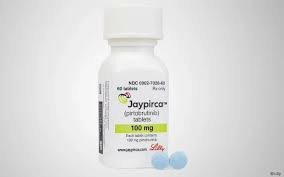
When taking pitubrutinib for a long time, you also need to pay attention to the dose adjustment and individualized strategy of the drug. For patients who experience moderate adverse reactions, the dosing interval can be appropriately extended or the dose can be reduced under the guidance of a doctor to ensure efficacy while improving tolerability. For patients who tolerate the drug well, treatment can usually be continued at standard doses until disease relapse or intolerable adverse events occur. Doctors will also comprehensively judge the most appropriate long-term medication plan based on the patient's tumor burden, blood profile, and accompanying diseases to ensure maximum efficacy while reducing safety risks.
The long-term medication safety for special groups also needs to be paid attention to. Elderly patients, patients with hepatic and renal insufficiency or other chronic diseases need to closely monitor drug metabolism, hematological indicators and potential drug interactions when using pitubrutinib for a long time. Studies have shown that pitubrutinib is still well tolerated in patients with mild to moderate hepatic and renal impairment, but patients with severe impairment need to be carefully evaluated, and the dose may be adjusted or the frequency of monitoring may be extended. For long-term treatment strategies, individualized assessment is crucial, which can effectively reduce the risk of cumulative toxicity and ensure the sustainability of efficacy.
Overall, the long-term safety profile of pitubrutinib is relatively ideal, and the course of treatment is usually continuous until disease progression or intolerable toxicity occurs. Its reversible inhibitory properties, low incidence of cardiovascular adverse events, and effectiveness against drug-resistant mutations give it clear advantages in the context of multi-line treatment. Clinically, individualized long-term medication plans should be formulated in conjunction with hematology monitoring, liver and kidney function assessment, and cardiovascular risk management. At the same time, the efficacy and tolerability are regularly evaluated, and the dose is adjusted according to the situation, which not only ensures continuous tumor suppression but also minimizes potential risks.
As more real-world data accumulate, the long-term safety and treatment course optimization strategies of pitubrutinib in different patient groups will be further clarified. In the future, it is expected to become an important option for long-term maintenance treatment of patients with refractory BB cell lymphoma, providing a more stable efficacy guarantee and a higher quality of life for patients undergoing multi-line treatment. At the same time, doctors and patients need to fully communicate the pros and cons, monitoring plans and potential risks of long-term medication to ensure that the treatment process is safe, effective and sustainable.
Reference materials:https://www.accessdata.fda.gov/drugsatfda_docs/label/2024/216059s002lbl.pdf
[ 免责声明 ] 本页面内容来自公开渠道(如FDA官网、Drugs官网、原研药厂官网等),仅供持有医疗专业资质的人员用于医学药学研究参考,不构成任何治疗建议或药品推荐。所涉药品可能未在中国大陆获批上市,不适用于中国境内销售和使用。如需治疗,请咨询正规医疗机构。本站不提供药品销售或代购服务。


