
.jpeg)
Aprocitentan drug introduction and comprehensive analysis of indications and efficacy
Aprocitentan is a new dual endothelin receptor antagonist (ETA/ETB), mainly used for the long-term control of refractory hypertension. As the latest generation of endothelin pathway drugs, it improves the pathological mechanism of hypertension from the root by blocking the vasoconstriction and inflammatory response mediated by endothelin-1. Compared with traditional antihypertensive drugs, the biggest feature of aprecitentan is that it is suitable for refractory patients who are still poorly controlled by more than three antihypertensive drugs (including diuretics), filling the clinical gap where existing treatment options are limited. Due to its novel mechanism, long half-life and once-daily administration, it is more convenient in the management of chronic diseases and is more suitable as a long-term maintenance combination drug.
In terms of indications, Aprecitentan is mainly positioned for refractory and resistant hypertension, especially for people who have already used ACEI/ARB, calcium channel blockers and diuretics but still cannot achieve control. After studies such as PATHWAY-2 and RE-ALIGN emphasized that resistant hypertension requires multi-pathway and multi-target intervention, the clinical value of aprecitentan has been further highlighted. Its dual antagonistic mechanism of ETA and ETB receptors makes it advantageous in reducing peripheral resistance, improving endothelial function and reducing water and sodium retention. The therapeutic potential of aprecitentan is also being further studied and discussed in certain high-risk groups, such as patients with obesity, high insulin resistance, chronic kidney disease or high sympathetic nervous system excitation.
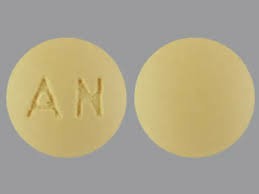
The efficacy of aprecitentan has been clearly verified in a number of internationalIII clinical studies, the most representative of which isPRECISION The trial proved that adding aprecitentan to the standard triple antihypertensive regimen can achieve an additional significant blood pressure reduction, and the effect can be maintained for up to 48 weeks of follow-up. The trial showed that aprecitentan had a stable reduction in both systolic and diastolic blood pressure, and there was little difference in the antihypertensive effect of different baseline blood pressure levels, ages, BMIs, or genders. This continuous, stable and predictable blood pressure lowering trend gives it obvious advantages in the long-term treatment of resistant hypertension. In addition, aprexitentan is equally outstanding in improving nighttime blood pressure and 24 hourly ambulatory blood pressure. It has additional value for dysrhythmic hypertension and can play a more important long-term protective role in overall risk management.
In terms of safety, aprecitentan improves the incidence of water and sodium retention compared with traditional endothelin receptor antagonists, but mild lower limb edema is still common, and mild anemia, fatigue or headache may occur. Compared with older generation drugs such as bosentan and ambrisentan, aprexitentan has a lighter impact on liver function, but it still requires regular monitoring of liver and kidney function, electrolytes, and body fluid status during long-term use. Overall, its safety and tolerability are at an ideal level in the treatment of resistant hypertension, and it is especially suitable as a fourth- or fifth-line antihypertensive regimen to provide a more powerful drug option for patients with long-term control difficulties. In the future, as its real-world data continues to accumulate, aprecitentan is expected to receive a clearer recommendation level in clinical guidelines and may complement other novel antihypertensive strategies to improve long-term survival and quality of life in patients with resistant hypertension.
Reference materials:https://pubmed.ncbi.nlm.nih.gov/40853274/
[ 免责声明 ] 本页面内容来自公开渠道(如FDA官网、Drugs官网、原研药厂官网等),仅供持有医疗专业资质的人员用于医学药学研究参考,不构成任何治疗建议或药品推荐。所涉药品可能未在中国大陆获批上市,不适用于中国境内销售和使用。如需治疗,请咨询正规医疗机构。本站不提供药品销售或代购服务。


