
.jpeg)
Can Tilpotide/Tisiparatide (Mufenda) be stopped suddenly and what precautions should be taken after stopping the medicine
Tirzepatide is a dual-target GIP/GLP-1 receptor agonist and is widely used in weight management and treatment of type 2 diabetes. After using it for a period of time, many patients will be concerned about whether the medication can be stopped suddenly. Generally speaking, there is no rigid medical requirement for Tilpotide that "the dose must be gradually reduced before discontinuation", and discontinuation will not trigger withdrawal reactions like some hormonal or psychotropic drugs. However, its effect mainly relies on continuous administration. Therefore, although sudden discontinuation of the drug will not cause acute danger, it will gradually disappear the effects of the drug on sugar control, appetite control, weight loss, etc. This is often a greater clinical risk.
The most common changes after stopping the drug are a return to appetite and weight regain. Tilpotide helps control weight and blood sugar by regulating gastric emptying, suppressing central appetite, and improving insulin sensitivity, and these mechanisms return to baseline within weeks once the drug is discontinued. Therefore, many patients will experience increased food intake, increased hunger, and increased energy intake. This is also the reason why many people regain weight quickly after stopping the drug. For patients with greater metabolic pressure, if they do not plan their diet or exercise program in advance, the rebound after drug withdrawal may be more obvious.
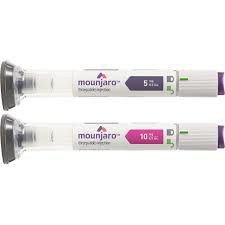
For patients with diabetes, special attention should be paid to blood sugar fluctuations after stopping tilpotide. As the regulation of insulin secretion weakens and the inhibitory effect of glucagon disappears, blood sugar may rise again. Both fasting and postprandial blood sugar may return to the levels before drug withdrawal, and some patients may even experience a significant increase. If the patient originally has multiple metabolic problems, such as obesity, insulin resistance, hypertension, etc., the rebound of blood sugar after stopping the drug needs to be planned in advance, including evaluating whether to switch to other anti-diabetic drugs, whether to restore the previous drug combination, whether to increase the frequency of monitoring, etc., to avoid discomfort or the risk of complications caused by blood sugar fluctuations.
During the transition period after drug withdrawal, patients need to pay special attention to lifestyle management. It is recommended to start adjusting your diet two weeks before stopping the medication, such as increasing dietary fiber, reducing high-fat and high-sugar foods, maintaining a total calorie balance, and establishing regular exercise habits in advance. At the same time, changes in weight, waist circumference, and blood sugar should be monitored every week after stopping the drug. If rapid weight gain or blood sugar increases, you should communicate with your doctor in time to adjust the plan. For people who are simply using it for weight loss, if they are worried about rebound, they can also consider other auxiliary drugs or non-drug intervention methods under the guidance of a doctor to maintain long-term effects. With a reasonable transition, most patients can discontinue medication smoothly and minimize the risk of rebound.
Reference materials:https://www.ncbi.nlm.nih.gov/books/NBK585056/
[ 免责声明 ] 本页面内容来自公开渠道(如FDA官网、Drugs官网、原研药厂官网等),仅供持有医疗专业资质的人员用于医学药学研究参考,不构成任何治疗建议或药品推荐。所涉药品可能未在中国大陆获批上市,不适用于中国境内销售和使用。如需治疗,请咨询正规医疗机构。本站不提供药品销售或代购服务。


