
.jpeg)
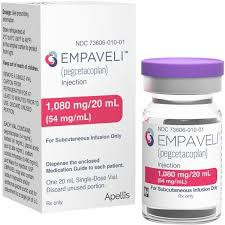
Pegcetacoplan - Detailed explanation of precautions for Empaveli
Pegcetacoplan is a new complement inhibitor used to treat patients with paroxysmal nocturnal hemoglobinuria (PNH), C3 glomerulopathy (C3G) and primary immune complex membranoproliferative glomerulonephritis (IC-MPGN). As a targeted drug of the complement system, Pegtak can effectively inhibit the abnormal activation of C3, thereby reducing red blood cell destruction and proteinuria. However, because its mechanism of action involves core pathways of the immune system, there are several risks and safety considerations that require strict attention when using Pegtak.
First, pegnata significantly increases patients' susceptibility to encapsulated bacterial infections, which can be serious or even fatal. The main bacteria involved include Streptococcus pneumoniae, Neisseria meningitidis (various serogroups and ungroupable strains), and Haemophilus influenzae type b. This means that serious infections can occur in patients treated with PegTuck, even if they have completed vaccination. To reduce the risk of infection, the American Advisory Committee on Vaccines (ACIP) recommends that vaccination against enveloped bacteria be completed or updated at least two weeks before the first use of PegTac and that revaccination be performed periodically during long-term treatment to maintain protection. If the patient needs to urgently start PegTuck treatment due to clinical needs and has not been vaccinated, antimicrobial prophylaxis should be used at the same time, and the vaccination should be completed as soon as possible. Despite this, the optimal antimicrobial prophylaxis regimen for patients with complement inhibitors has not yet been determined, so the pros and cons of the regimen need to be evaluated based on the patient's specific situation.
Second, infusion or subcutaneous injection of PegTac may cause allergic reactions, including facial swelling, rash, hives, or fever, requiring some patients to interrupt treatment. In the event of a severe allergic reaction, the medication should be discontinued immediately and managed according to standard of care and closely monitored until symptoms completely resolve. Patients should be informed of possible early signs of allergy while taking the medication and seek medical advice promptly if abnormalities occur.
Discontinuation of PegTac also requires strict monitoring. Since the drug has a continuous inhibitory effect on hemolytic activity in PNH patients, once the drug is discontinued, symptoms such as a sudden drop in hemoglobin, an increase in LDH, hemoglobinuria, fatigue, abdominal pain, dyspnea, thrombosis, or erectile dysfunction may occur. Therefore, patients should be monitored for at least 8 weeks after discontinuation of the drug. If hemolysis is found to worsen, restarting treatment may be considered to prevent serious complications.
In addition, Pegtuck may interfere with laboratory testing. In particular, silica reagents may be affected by PegTac in coagulation panel tests, resulting in prolonged activated partial thromboplastin time (aPTT), thus affecting the interpretation of results. Therefore, coagulation testing with this type of reagent should be avoided in patients taking PEGATOX to avoid misleading results.
In conclusion, PegTac provides significant efficacy in the treatment ofPNH and complement-related nephropathy, but is accompanied by the potential risk of serious infection and infusion reactions, requiring completion of vaccination before treatment and strict monitoring for signs of infection. During the course of medication, attention should be paid to allergic symptoms and changes in laboratory indicators at any time, and hemolysis manifestations should also be closely observed after discontinuation of medication. These precautions emphasize the professionalism and complexity of Pegtak treatment. The use of this drug must be carried out under the guidance of an experienced medical team to balance efficacy and safety risks and provide patients with the optimal disease management plan.
Reference materials:https://www.accessdata.fda.gov/drugsatfda_docs/label/2025/215014s011lbl.pdf
[ 免责声明 ] 本页面内容来自公开渠道(如FDA官网、Drugs官网、原研药厂官网等),仅供持有医疗专业资质的人员用于医学药学研究参考,不构成任何治疗建议或药品推荐。所涉药品可能未在中国大陆获批上市,不适用于中国境内销售和使用。如需治疗,请咨询正规医疗机构。本站不提供药品销售或代购服务。


