
.jpeg)
Futibatinib dose adjustment principles guide
Futibatinib is indicated for the treatment of patients with previously treated, unresectable, locally advanced or metastatic intrahepatic cholangiocarcinoma (CCA). The standard recommended dose is 20 mg orally once daily, and treatment is continued until disease progression or intolerable toxicity occurs. However, due to individual patient differences and tolerance issues, dose adjustment principles need to be strictly followed in clinical practice to ensure drug efficacy and safety.
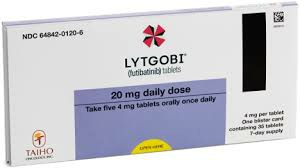
Initial dose adjustment is usually reduced to 16 mg once daily in a combination of four 4 mg tablets or one 16 mg tablet. If the patient still experiences intolerable adverse reactions, the dose can be further reduced to 12 mg once daily (three 4 mg tablets are available). In the event that the once-daily 12 mg dose is not tolerated, it is recommended to permanently discontinue forbatinib. Dose adjustment not only takes into account adverse reactions, but also takes into account liver function, hematological indicators and the patient's overall health.
Clinically, the importance of medication timing is also emphasized. If the patient misses a dose for more than 12 hours or vomits while taking the medicine, he or she should skip the dose and resume taking the medicine at the next scheduled time instead of doubling the dosage. This medication practice helps reduce the risk of toxicity while ensuring continuity and effectiveness of treatment. Overseas guidelines also point out that the dose adjustment of forbatinib should be combined with regular imaging monitoring to promptly evaluate disease control and tolerability to ensure that adverse drug reactions are minimized while ensuring efficacy.
In addition, as a targeted drug, forbatinib requires special attention to its drug interactions. Combined use withCYP3A4 substrates or inhibitors may affect plasma concentrations, so concomitant medication factors also need to be considered when making dose adjustments. Overseas drug instructions clearly state that dosage adjustment should be guided by a doctor and an individualized plan should be developed based on the patient's individual clinical response and laboratory test results.
Reference materials:https://www.accessdata.fda.gov/drugsatfda_docs/label/2022/214801s000lbl.pdf
[ 免责声明 ] 本页面内容来自公开渠道(如FDA官网、Drugs官网、原研药厂官网等),仅供持有医疗专业资质的人员用于医学药学研究参考,不构成任何治疗建议或药品推荐。所涉药品可能未在中国大陆获批上市,不适用于中国境内销售和使用。如需治疗,请咨询正规医疗机构。本站不提供药品销售或代购服务。


