
.jpeg)
Which one is better, lorlatinib/lorlatinib (borina) or alectinib?
Lorlatinib/ Lorlatinib ( Lorlatinib) and alectinib (Alectinib) are both very representative oral targeted drugs in the treatment field of ALK-positive non-small cell lung cancer. However, there is no simple sense of "who is better" between the two, but each is suitable for different treatment stages and clinical needs. From the perspective of overseas guidelines and international clinical practice, understanding the differences between the two in drug generations, drug resistance coverage, and treatment positioning will help patients and their families make rational judgments.
Alectinib is a second-generationALK inhibitor that is currently widely used in many countries around the world for the first-line treatment of ALK-positive non-small cell lung cancer. Its biggest advantage is that it has high selectivity for the ALK target and good penetration into the central nervous system, so it has outstanding performance in controlling brain metastasis. Overseas real-world studies have shown that many newly diagnosed ALK-positive patients can achieve relatively stable and durable disease control after receiving aletinib treatment, which is an important reason why it is recommended as a first-line regimen. From a tolerability perspective, aletinib has a relatively balanced overall safety profile and is highly feasible for long-term use, making it suitable for patients who require continuous treatment.
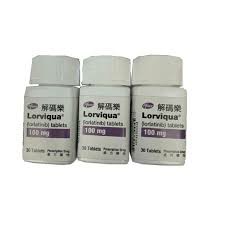
In contrast, lorlatinib belongs to the third generationALK inhibitor, and its original purpose of research and development was mainly to solve the drug resistance problem that occurred during the treatment of previous generation ALK inhibitors. As the treatment time is prolonged, some patients may develop complex ALK resistance mutations to second-generation drugs such as aletinib, and may even be accompanied by central nervous system progression. Lorlatinib's molecular design is optimized for multiple drug resistance mutations, so in overseas clinical trials, it is often used as a back-line regimen after treatment failure with alectinib or other ALK inhibitors. For patients with rapidly progressive disease or complex drug resistance mechanisms, lorlatinib can often re-establish its inhibitory effect on tumors.
Both drugs have strong advantages in controlling brain metastasis, but their focus is slightly different. Alectinib is more suitable for early prevention and stable control of brain lesions, while lorlatinib shows unique value in the management of brain metastases in the context of drug resistance. This is why overseas experts generally emphasize that drugs should be selected based on whether the patient has received ALK inhibitor treatment, whether there are drug-resistant mutations, and the stage of disease progression, rather than simply comparing the "strength of effect."
Taken together, alectinib is more like a "robust option" in first-line treatment and is suitable for patients with newly treated ALK-positive non-small cell lung cancer; while lorlatinib is an "enhanced regimen" that provides new treatment opportunities for patients who have failed early treatment or developed drug resistance. From a medical professional perspective, the two are not competitive, but constitute an important connection in the staged treatment strategy for ALK-positive lung cancer. Reasonable and sequential use is often more practical than discussing which drug "works better" individually.
Reference: https://everyone.org/explore/compare?id1=54&id2=248
[ 免责声明 ] 本页面内容来自公开渠道(如FDA官网、Drugs官网、原研药厂官网等),仅供持有医疗专业资质的人员用于医学药学研究参考,不构成任何治疗建议或药品推荐。所涉药品可能未在中国大陆获批上市,不适用于中国境内销售和使用。如需治疗,请咨询正规医疗机构。本站不提供药品销售或代购服务。


