
.jpeg)
Application and efficacy evaluation of tenapano (Ventile) combination therapy
Tenapanor (tenapanor), as a new type of sodium / hydrogen ion exchange protein (NHE3) inhibitor, has received great attention in recent years in the treatment of chronic kidney disease-related hyperphosphatemia. Due to its unique mechanism of action, which is mainly concentrated on the intestinal epithelial surface, tenapanor has shown good efficacy in monotherapy by reducing phosphorus absorption or regulating intestinal fluid secretion. However, in clinical practice, in order to further improve treatment response, reduce blood phosphorus levels or improve refractory intestinal symptoms, combination therapy is gradually becoming the focus of research. Especially in the field of hyperphosphatemia in dialysis patients with CKD, the combined use of tenapano and traditional phosphate binders has gradually shown better therapeutic potential than single drugs.
In terms of combined treatment of hyperphosphatemia, tenapano combined with phosphate binders (such as lanthanum carbonate, sevelamer, calcium carbonate, etc.) has been verified by multiple clinical studies to be more effective in reducing blood phosphorus levels. Tenapanor works by reducing intestinal phosphorus absorption, while phosphorus binders work from two different links by directly binding phosphorus in the intestinal lumen, so the synergistic effect is obvious. Studies have pointed out that some dialysis patients always have difficulty reaching the target for blood phosphorus when using only phosphate binders. However, after adding tenapano, the average blood phosphorus decreases even more, and the target compliance rate is significantly improved. Moreover, the combined regimen can reduce the high-load use of phosphate binders, help reduce gastrointestinal adverse reactions, and improve patient tolerance. For patients who have difficulty maintaining normal blood phosphate levels for a long time, this dual-mechanism combined regimen provides a new and feasible treatment path for clinical practice.
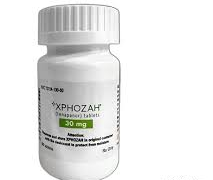
In the field ofIBS-C, the combined application of tenapano and other intestinal motility or secretion drugs has also been gradually explored. Tenapanor increases the intestinal fluid content by changing the sodium transport in the intestinal wall, which can improve the frequency of defecation, abdominal distension and abdominal pain symptoms; while GC-C agonists such as linaclotide and plukanatide mainly increase the moisture of intestinal contents by stimulating the secretory pathway. In patients with refractory IBS-C or for whom single-agent therapy is insufficient, this type of combination can lead to more comprehensive symptom improvement. Studies have shown that when patients are treated with tenapanor as the basis, adding a low-dose GC-C agonist can further improve abdominal distension and persistent difficulty in defecation. However, since both drugs can increase intestinal fluid secretion, the risk of diarrhea needs to be closely monitored during combined treatment and the dose should be gradually adjusted to find the most appropriate balance, which is critical for long-term symptom control.
In addition to common combination regimens, tenapano is also being studied in combination with new drugs to explore more precise treatment strategies. For example, in dialysis patients, it is used in combination with erythropoietin, calcium-sensitizing agents, etc. to comprehensively control mineral metabolism disorders; in the field of IBS-C, researchers are also paying attention to the effect of combining tenapano with microbial agents, probiotics or dietary intervention to evaluate its improvement in intestinal ecology. These cutting-edge explorations mainly focus on improving treatment efficiency, reducing drug dosage burden, reducing adverse reactions, and improving long-term quality of life. Larger-scale studies are still needed to verify its clinical value in the future.
In general, the application of tenapano in combination therapy has received more and more clinical attention. Whether in chronic kidney disease hyperphosphatemia orIBS-C, combination therapy has shown better efficacy potential than single drugs. Its mechanism is highly complementary to other drugs, allowing it to serve as the basis for multiple treatment strategies and provide more options for patients with stubborn symptoms. However, during combined use, attention should also be paid to dose adjustment and adverse reaction monitoring, especially risks such as diarrhea and electrolyte changes. As more clinical studies advance, tenapano's combination treatment model is expected to become one of the standard options in the future, providing a more comprehensive, efficient and sustainable treatment path for the management of related diseases.
Reference materials:https://www.drugs.com/mtm/tenapanor.html
[ 免责声明 ] 本页面内容来自公开渠道(如FDA官网、Drugs官网、原研药厂官网等),仅供持有医疗专业资质的人员用于医学药学研究参考,不构成任何治疗建议或药品推荐。所涉药品可能未在中国大陆获批上市,不适用于中国境内销售和使用。如需治疗,请咨询正规医疗机构。本站不提供药品销售或代购服务。


