
.jpeg)
Analysis of the treatment schedule, usage and dosage and clinical use guidelines of Vidicitomab (Aidexi)
Vedisitomab (Disitamab, trade name Aidexi) is a new type of HER2 targeted antibody Body-conjugated drugs (ADC) are mainly used to treat HER2-positive advanced gastric cancer, urothelial cancer and other malignant tumors. It uses an improved humanized antibody as a carrier and connects highly effective cytotoxic drugs to achieve targeted killing by accurately identifying HER2 on the surface of tumor cells. As domestic real-world research data increases, a system has gradually formed regarding its treatment schedule, usage and dosage, and clinical use guidelines, providing a basis for patients to formulate standardized treatment plans.
In terms of treatment schedule, vedicitomab is usually treated with a three-week cycle (Q3W), which is a standard treatment rhythm established based on large-scale pharmacokinetics, tolerability and toxicity management studies. During each course of treatment, patients received an intravenous infusion and then entered an observation period to evaluate efficacy and adverse reactions. For patients with advanced solid tumors, the treatment cycle generally continues until the disease progresses, is intolerable, the patient voluntarily discontinues treatment, or the doctor believes that the regimen needs to be adjusted. Some patients can achieve disease stabilization or even tumor shrinkage during long-term maintenance treatment. Some studies have shown that patients who take treatment for more than six months have a higher proportion of sustained benefit. Clinically, the treatment course may be individually adjusted based on the tumor burden, HER2 expression intensity, and the patient's physical status, such as extending the cycle interval when toxicity accumulates, or maintaining long-term medication when the effect is significant.
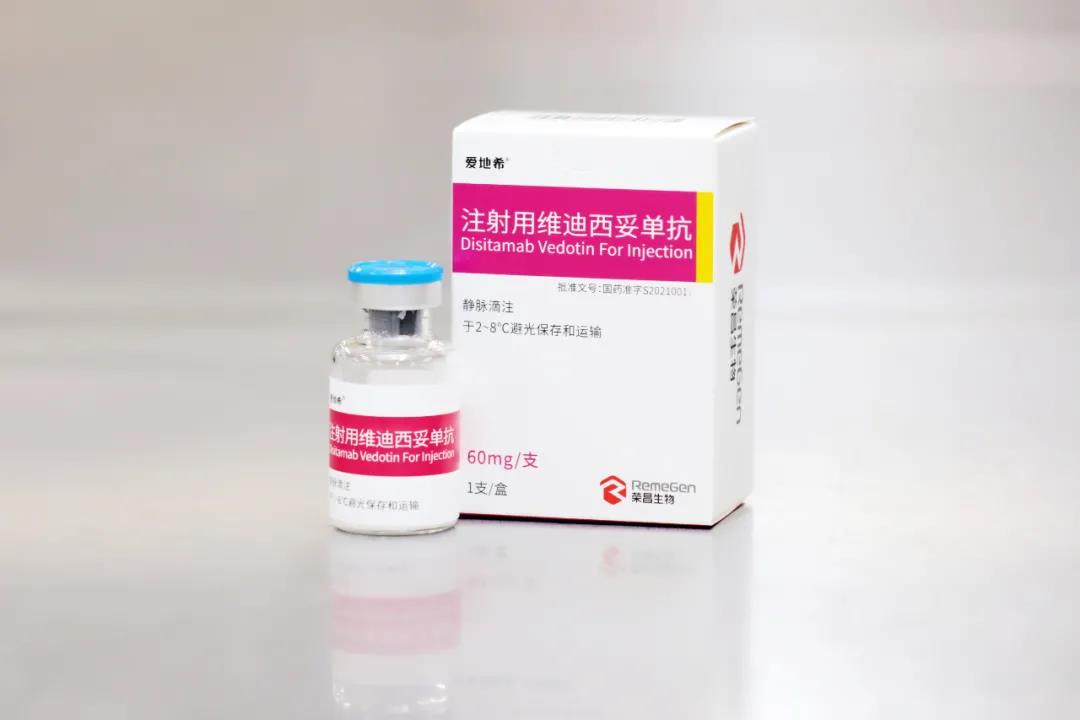
In terms of usage and dosage, the recommended dose of vedicitumab is usually 2.0 mg/kg, intravenous infusion, once every 21 days. The infusion needs to be carried out in a medical institution with experience in tumor treatment to ensure that adverse reactions can be identified and dealt with in a timely manner. The infusion speed is generally slow during the first administration, and the speed is gradually increased after ensuring that the patient has no serious infusion-related reactions. Doctors may need to re-evaluate the dosage for patients with significant weight changes, impaired liver and kidney function, or patients who are receiving multiple medications. In terms of combination therapy, such as combination with PD-1 inhibitors, some studies have shown that the combination regimen can improve the response rate, but the toxicity also increases accordingly. Therefore, special attention needs to be paid to the dynamic adjustment of dosage and interval in clinical practice to ensure that safety is always controllable.
In terms of clinical use guidelines, vedicitumab is typically used in patients with HER2 IHC2+ or IHC3+ and in patients with IHC1+ or HER2Patients with low expression have limited clinical benefit. Therefore, it is crucial to perform standardized HER2 testing before treatment, including evaluation methods such as IHC and FISH. At the same time, tumor changes need to be evaluated regularly during treatment, such as CT or MRI examinations every 6–9 weeks to determine whether it continues to be effective. In addition, since this drug belongs to the ADC class of targeted drugs, its toxicity spectrum mainly includes infusion reactions, gastrointestinal reactions, peripheral neurotoxicity and abnormal liver function. Clinical guidelines recommend close monitoring during the first course of treatment, and consideration of suspending or reducing the dose when adverse reactions of Grade 2 or above occur. For people who are prone to cardiotoxicity, such as those who have previously received HER2-targeted therapy, it is recommended to monitor cardiac function every 3 months.
In real-world use experience, vedicitomab is considered to be better tolerated and has a higher objective response rate than traditionalHER2 targeted drugs due to its stronger binding capacity and better control of toxin release. Multiple domestic studies have shown that some patients still maintain a good quality of life after multiple courses of treatment, and a high proportion of tumors shrink or lesions are stable. However, the longer the course of treatment, the more attention needs to be paid to the risk of cumulative toxicity, such as corneal lesions, nerve paralysis, or elevated liver enzymes. Therefore, regular follow-up should be maintained in long-term management, and the dose should be reduced or the course of treatment should be delayed if necessary. Overall, vedicitomab has become an important choice in the treatment of HER2-positive solid tumors. Its treatment schedule, usage specifications and monitoring strategies constitute a complete treatment system, providing patients with sustainable clinical benefits and providing clinicians with a more standardized decision-making basis.
Reference materials:https://pubmed.ncbi.nlm.nih.gov/38940019/
[ 免责声明 ] 本页面内容来自公开渠道(如FDA官网、Drugs官网、原研药厂官网等),仅供持有医疗专业资质的人员用于医学药学研究参考,不构成任何治疗建议或药品推荐。所涉药品可能未在中国大陆获批上市,不适用于中国境内销售和使用。如需治疗,请咨询正规医疗机构。本站不提供药品销售或代购服务。


