
.jpeg)
Upadatinib/Reif achieves positive phase 3 results in non-segmental vitiligo
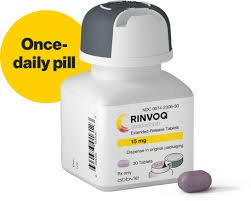
AbbVie recently announced new positive results from 2 replicated Phase 3 clinical trials evaluating non-segmental vitiligo ( Upadacitinib 15 mg in patients with NSV), the most common subtype affecting more than 90% of patients with vitiligo. These data represent an important step toward expanding systemic treatment options for this chronic autoimmune depigmentation disease, which currently lacks any approved oral treatments for hyperpigmentation.
Vitiligo is a challenging disease because pigmentation is slow, recurrences are common, and treatment options are limited. Seeing the 2 replicated Phase 3 trials meet the co-primary endpoint of facial and complete pigmentation at 48 weeks, while also meeting the key ranking secondary endpoint, signals real progress for our patients with vitiligo.
Study Design and Endpoints
The M19-044 program consists of 2 repeated, double-blind, placebo-controlled studies (Study 1 and Study 2) conducted under a single protocol. A total of 614 NSV patients (age 12 years and older) who were eligible for systemic therapy were randomized 2:1 to receive upadatinib 15 mg or placebo for 48 weeks (Phase A), followed by an open-label extension of 112 weeks (Phase B), with all participants receiving active treatment. Co-primary endpoints include:
1) T-VASI 50: At week 48, the total vitiligo area score index (T-VASI) decreases by ≥50% from baseline;
2) F-VASI 75: Facial vitiligo area score index (F-VASI) decreased by ≥75% at week 48
Secondary endpoints included F-VASI 50 at week 48 and F-VASI 75 at week 24. The VASI index quantifies depigmentation of the body and face, respectively, with specific psychosocial relevance for the patient.
Effectiveness results
Upadatinibshowed statistically significant improvement over placebo in both Phase 3 studies. In Study 1, 19.4% of patients who received upapatinibT-VASI 50 was achieved at week 48, compared with 5.9% of patients receiving placebo. Similarly, 25.2% of patients in the upapatinib group achieved F-VASI 75, compared with 5.9% in the placebo group. For the F-VASI 50 endpoint, nearly half of the patients taking upadacitinib (48.1%) had at least a 50% reduction from baseline, compared with 12.7% of the placebo group.
The results from Study2 were consistent, with 21.5% of patients receiving upapatinib achieving T-VASI 50, compared with 5.9% of patients in the placebo group. For F-VASI 75, 23.4% of patients in the upapacitinib group met this endpoint, compared with 6.9% of patients in the placebo group. Additionally, 43.4% of patients treated with upapatinib achieved F-VASI 50, compared with 12.9% of patients in the placebo group.
Taken together, these data demonstrate that upadacitinib 15 mg once daily significantly improved systemic and facial pigmentation compared with placebo after 48 weeks of treatment.
Vitiligo is more than just a skin disease, it is a chronic autoimmune disease that can profoundly impact a person's confidence, identity and daily life. There are currently no approved systemic drug therapies to achieve hyperpigmentation in vitiligo. These Phase 3 results represent an important milestone in AbbVie's commitment to supporting patients and expanding our immunology portfolio to deliver innovative solutions.
Safety Introduction
Safety study results are consistent with the previously established profile of upadacitinib in other indications. The most common treatment-emergent adverse events (TEAEs) included upper respiratory tract infection, acne, and nasopharyngitis. The incidence of serious adverse events was ≤4% in the active group and the placebo group. Importantly, no new safety signals were identified and no major adverse cardiovascular events (MACE) or venous thromboembolic events (VTE) were observed.
Summary
Although upadatinib is not yet FDA-approved for NSV, these phase 3 data support JAK inhibition as a viable systemic approach to redepigmentation of vitiligo, complementing recent topical advances such as ruxolitinib (Opzelural; Incyte). Complete results and long-term extension data will help elucidate durability of response and optimal patient selection for systemic treatment of vitiligo.
Considering the positive results for alopecia areataPhase 3 results andUpapatinib has been approved for 9 indications in immune-mediated diseases. These findings highlight the role of upapatinib as an anti-inflammatory drug that can reduce systemic inflammation in the skin and elsewhere.
References: Updated onOctober 29, 2025, https://www.dermatologytimes.com/view/upadacitinib-achieves-positive-phase-3-results-in-non-segmental-vitiligo
[ 免责声明 ] 本页面内容来自公开渠道(如FDA官网、Drugs官网、原研药厂官网等),仅供持有医疗专业资质的人员用于医学药学研究参考,不构成任何治疗建议或药品推荐。所涉药品可能未在中国大陆获批上市,不适用于中国境内销售和使用。如需治疗,请咨询正规医疗机构。本站不提供药品销售或代购服务。


