
.jpeg)
Cabozantinib/nivolumab combination shows positive activity in FH-deficient renal cell carcinoma
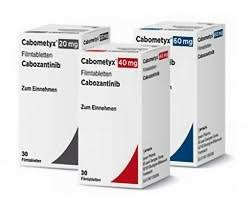
One study evaluated cabozantinib-Cabometyx in combination with nivolumab The results of a small retrospective study by ab) showed that the response rate in patients with fumarate hydratase-deficient renal cell carcinoma (FH-dRCC) was 71% (95% CI, 41.9%-91.6%). The findings extend the efficacy of this combination beyond non-clear cell RCC. Historically, the combination of erlotinib (Tarceva) and bevacizumab (Avastin) has proven effective in advanced disease; however, the disease relapses in a majority of patients, indicating the need for further effective approaches.
In our database of patients with FH deficiency, we reviewed those patients who had received cabozantinib and nivolumab in the first or second line. A preliminary report, which included 5 patients with FH-dRCC, suggested that this combination may have a role in this specific patient population, prompting a more focused analysis.
Patient Demographics
In the current study,56 patients with FH dRCC were assessed for eligibility. Sixteen people received cabozantinib plus nivolumab, and 14 were considered evaluable. Ten patients received first-line treatment and 4 patients received second-line treatment. The median age of patients was 39 years (range 23-73). The majority of patients (79%) were male, and 86% had germline FH mutations. Two patients (14.3%) had stable disease, no patient had a complete response, and 10 patients had a partial response (71.4%). The median progression-free survival (PFS) for all patients was 15.1 months (95% CI, 7.7-not reached [NR]), and the median overall survival (OS) was 37.3 months (95% CI, 28.1-NR).
The researchers explored differences in PFS and OS among patients treated in prospective trials versus standard care. The numbers are too small to make a clear comparison, but the median PFS for trial participants was 17.9 months, compared with 6.5 months for patients who received standard care. Trial participants had an OS of 41.5 months, compared with NR for patients who received standard care. Comparisons are difficult because patients were recruited asynchronously, so protocol patients received treatment first and were followed for longer than patients who received standard care.
Case Study
Then, the study shared oneIllustrative case of a 23-year-old male patient with a germline FH mutation who received first-line cabozantinib and nivolumab. He was diagnosed with de novo metastatic disease with extensive bone metastases. Imaging studies performed after 2.5 months of treatment showed a significant reduction in tumor burden compared with baseline, providing visual confirmation of treatment efficacy.
In conclusion, this retrospective analysis of 14 patients with advanced FH-RCC provides evidence that the combination of cabozantinib and nivolumab is an aggressive treatment regimen, resulting in high response rates and promising survival outcomes. The observed efficacy appears to be comparable to other reported regimens for the treatment of this disease, such as combinations of immunotherapy with TKIs or the combination of bevacizumab and erlotinib. The optimal combination of tyrosine kinase inhibitors and immunotherapy, as well as the ideal sequence of treatment for this aggressive cancer, remains to be determined by future prospective studies.
References: UpdatedDecember 1, 2025, https://www.targetedonc.com/view/cabozantinib-nivolumab-combination-reveals-positive-activity-in-fh-deficient-rcc
[ 免责声明 ] 本页面内容来自公开渠道(如FDA官网、Drugs官网、原研药厂官网等),仅供持有医疗专业资质的人员用于医学药学研究参考,不构成任何治疗建议或药品推荐。所涉药品可能未在中国大陆获批上市,不适用于中国境内销售和使用。如需治疗,请咨询正规医疗机构。本站不提供药品销售或代购服务。


