
.jpeg)
Analysis of the core efficacy and mechanism of Erlotinib (Loret) and its value in the treatment of lung cancer
Erlotinib (Erlotinib) is an oral small molecule tyrosine kinase inhibitor (TKI), mainly targeting patients with non-small cell lung cancer (NSCLC) with epidermal growth factor receptor (EGFR) mutations. Its core function is to block tumor cell proliferation, promote apoptosis and inhibit angiogenesis by inhibiting the EGFR signaling pathway, thereby delaying tumor growth and metastasis. Erlotinib has the most significant effect on lung adenocarcinoma patients carrying EGFR sensitive mutations (such as exon 19 deletions or exon 21 L858R point mutations), and is widely used clinically for first- or second-line treatment of advanced or metastatic non-small cell lung cancer.
The main mechanism of action is to selectively competitively inhibit the ATP binding site of EGFR and block the downstream RAS-RAF-MEK-ERK and PI3K-AKT signaling pathways. This blockade reduces tumor cell proliferation signals, increases apoptosis rates, and reduces tumor angiogenesis, limiting the environment for cancer cell growth. Compared with traditional chemotherapy, erlotinib targets tumor cells with specific gene mutations, so the toxic and side effects are relatively controllable, and the main manifestations are rash, diarrhea and mild to moderate liver function abnormalities.
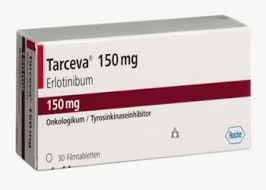
Clinical studies have shown that erlotinib can significantly prolong progression-free survival (PFS) and overall survival (OS) of some patients with EGFR mutation-positive advanced NSCLC patients. In multicenter randomized controlled trials such as OPTIMAL and EURTAC, the median number of patients treated with erlotinib in the first linePFScan reach 10~13 months, which is much higher than the 4~6 months of the traditional chemotherapy group, and the quality of life is significantly improved. In addition, erlotinib can be combined with other drugs or used for maintenance treatment to provide personalized treatment options for patients with advanced lung cancer.
In general, the core value of erlotinib, as a targeted therapy for EGFR mutated non-small cell lung cancer, is to accurately block cancer cell proliferation signals, delay disease progression and improve quality of life. Its use emphasizes the importance of molecular typing. Only confirmed diagnosisEGFR Only patients with sensitive mutations can obtain the best therapeutic effect. At the same time, drug resistance management and safety monitoring are still key links in clinical application to ensure that patients can obtain curative effects while reducing the risk of adverse reactions.
Reference materials:https://www.ncbi.nlm.nih.gov/pmc/articles/PMC5400145/
[ 免责声明 ] 本页面内容来自公开渠道(如FDA官网、Drugs官网、原研药厂官网等),仅供持有医疗专业资质的人员用于医学药学研究参考,不构成任何治疗建议或药品推荐。所涉药品可能未在中国大陆获批上市,不适用于中国境内销售和使用。如需治疗,请咨询正规医疗机构。本站不提供药品销售或代购服务。


