
.jpeg)
Treatment methods for post-drug resistance to lenvatinib/lenvatinib (Lenvima)
Lenvatinib/lenvatinib (Lenvatinib), as a multi-target tyrosine kinase inhibitor, has been widely used in the systemic treatment of renal cell carcinoma, hepatocellular carcinoma, differentiated thyroid cancer and endometrial cancer. As the medication time is prolonged, some patients may gradually develop disease progression, indicating resistance to lenvatinib, which is an unavoidable problem in clinical practice. Drug resistance does not mean the end point of treatment selection, but an important signal that treatment strategies need to be dynamically adjusted.
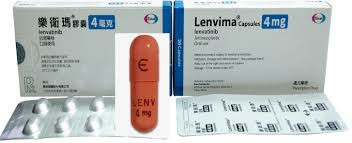
From a mechanistic perspective, resistance to lenvatinib is often closely related to the remodeling of tumor angiogenesis pathways, activation of alternative signaling pathways, and changes in the tumor microenvironment. Therefore, in the post-treatment of drug resistance, overseas guidelines place more emphasis on the concepts of "sequential treatment" and "mechanism complementation". For patients with renal cell carcinoma, after lenvatinib treatment fails, clinical practice usually considers switching to targeted drugs with different targets, or switching to immune checkpoint inhibitor-related regimens to avoid cross-resistance problems caused by continued inhibition of a single pathway.
In the field of hepatocellular carcinoma, drug selection after lenvatinib resistance pays more attention to the assessment of liver function status and systemic tolerance. Studies believe that continuing to mechanically increase the dose after drug resistance does not bring clear benefits, but may increase the risk of hepatotoxicity. Therefore, it is reasonable to switch to other targeted therapies or immunotherapy options based on the patient's stage and performance status to extend the disease control time. For patients with thyroid cancer and endometrial cancer, more emphasis is placed on individualized treatment strategies after resistance to lenvatinib. Some patients can regain disease stability by combining or switching drugs with different mechanisms of action.
In general, the management of lenvatinib resistance is not a single standard answer, but is based on a comprehensive judgment based on tumor type, previous treatment response, and the patient's overall condition.
Reference materials:https://go.drugbank.com/drugs/DB09078
[ 免责声明 ] 本页面内容来自公开渠道(如FDA官网、Drugs官网、原研药厂官网等),仅供持有医疗专业资质的人员用于医学药学研究参考,不构成任何治疗建议或药品推荐。所涉药品可能未在中国大陆获批上市,不适用于中国境内销售和使用。如需治疗,请咨询正规医疗机构。本站不提供药品销售或代购服务。


