
.jpeg)
FDA approves injectable Belantamab mafodotin to treat relapsed or refractory multiple myeloma
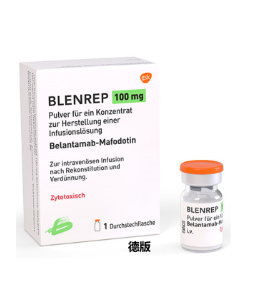
On October 23, 2025, the U.S. Food and Drug Administration (FDA) approved the injection of mabelantumab (Belantamab mafodotin (trade name Blenrep) in combination with bortezomib and dexamethasone for the treatment of adult patients with relapsed or refractory multiple myeloma (RRMM). This indication is open to patients who have received at least two treatment regimens in the past, and the treatment included proteasome inhibitors and immunomodulators, marking further confirmation of the clinical value of BCMA-targeted antibody conjugate drugs in the treatment of multiple myeloma.
1. Approval background:BCMA is still the core target for multiple myeloma
Multiple myeloma is a highly relapsed and drug-resistant plasma cell malignancy. Patients often lack effective options after multi-line treatment. B cell maturation antigen (BCMA) is highly expressed on myeloma cells and has limited distribution in normal tissues, making it an ideal therapeutic target.
Mabembrantumumab is aBCMA-directed antibody-drug conjugate (ADC) that achieves precise killing of myeloma cells by connecting a monoclonal antibody with a microtubule inhibitor. It is an important component of BCMA-targeted therapy.
2. Key clinical evidence:Key points of DREAMM-7 study design
This FDA approval is mainly based on the phase III clinical study of DREAMM-7 (NCT04246047). This was an open-label, randomized, multicenter trial involving patients with relapsed or refractory multiple myeloma. The study excluded patients who were refractory to or intolerant to daratumumab or bortezomib, as well as those who had previously received BCMA-targeted therapy or had significant corneal disease.
The subjects were randomly assigned 1:1 to receive one of two options:
Mabelantumab+bortezomib+dexamethasone (BVd)
Daratumumab + bortezomib + dexamethasone (DVd)
A total of 217 patients were finally included in the efficacy analysis, all of whom had received at least two previous treatments.
3. Efficacy results: significantly prolonged progression-free and overall survival
The study used progression-free survival (PFS) and overall survival (OS) as the primary endpoints. The results showed that the BVd regimen was significantly better than the control regimen. The median PFS in the BVd group reached 31.3 months, while that in the DVd group was 10.4 months. The risk of disease progression was significantly reduced. In terms of overall survival, the median OS in the BVd group has not yet been reached, while that in the DVd group was 35.7 months, suggesting that the combination of mbelantuzumab can bring more lasting survival benefits. This result has important clinical implications for myeloma patients who have failed multiple lines of therapy.
IV. Safety focus: Ocular toxicity requires strict management
The prescribing information for mbelantuzumab contains a boxed warning regarding ocular toxicity. In the DREAMM-7 study, most patients experienced varying degrees of cornea-related adverse reactions, with a higher proportion being grade 3 or 4. Therefore, some patients required dose adjustment or delay in treatment. Although the incidence of ocular toxicity is high, most changes are reversible under standard monitoring and management.
5.The REMS plan ensures medication safety
Due to the risk of ocular toxicity, mbelantumumab is only available throughthe FDA-required Risk Evaluation and Mitigation Strategy (REMS) program, known as BLENREP REMS. The plan requires regular eye examinations before and during treatment, and timely adjustments to the dosage regimen based on the examination results. Attention also needs to be paid to the risk of thrombocytopenia and embryo-fetal toxicity.
6. Recommended dosage regimen
The dosing strategy approved by the FDA is a staged treatment: for the first 8 cycles, mbelantuzumab 2.5 mg/kg is administered every 3 weeks in combination with bortezomib and dexamethasone; then it enters the maintenance phase and is changed to mbelantuzumab monotherapy every 3 weeks until disease progression or unacceptable toxicity occurs.
7. Regulatory significance and clinical prospects
Mablantumumab for injection has been granted FDA orphan drug designation. The drug's re-approval further enriches the treatment options for relapsed or refractory multiple myeloma, and also provides a more solid evidence base for the application of BCMA-targeted ADCs in combination therapy.
Reference materials: Updated on October 23, 2025, https://www.fda.gov/drugs/resources-information-approved-drugs/fda-approves-belantamab-mafodotin-blmf-relapsed-or-refractory-multiple-myeloma
[ 免责声明 ] 本页面内容来自公开渠道(如FDA官网、Drugs官网、原研药厂官网等),仅供持有医疗专业资质的人员用于医学药学研究参考,不构成任何治疗建议或药品推荐。所涉药品可能未在中国大陆获批上市,不适用于中国境内销售和使用。如需治疗,请咨询正规医疗机构。本站不提供药品销售或代购服务。


