
.jpeg)
Baricitinib/Alemin shows sustained hair regrowth in adolescents with alopecia areata
New data show that oral baricitinib, a once-daily Janus kinase (JAK) inhibitor, produces sustained hair regrowth over 1 year of treatment in adolescents with severe alopecia areata (AA). Results from the Phase 3 BRAVE-AA-PEDS trial were presented at the 2025 Clinical Dermatology Meeting. The findings, based on 36-week results from the same study presented at the American Academy of Dermatology (AAD) meeting earlier this year, reinforce baricitinib's potential to address an important unmet need in pediatric dermatology.
For nearly half of people with severe alopecia areata, the disease begins before adulthood and can progress rapidly, having a significant impact on the sufferer's life. Given the high burden of this disease, new treatment options are needed for children and adolescents, a population that has been historically underrepresented.
1.Baricitinib treats alopecia areata for one yearBRAVE-AA-PEDS results
At baseline, participants had an average of 89% scalp hair loss, with 63.8% having very severe AA (Severity of Hair Loss Tool [SALT] score 95-100) at baseline. One year after treatment:
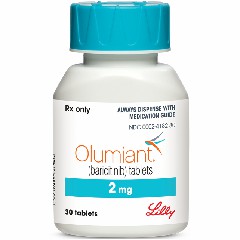
1) 54.1% of adolescents receiving baricitinib 4 mg and 31% of adolescents receiving the 2 mg dose achieved scalp hair coverage of 80% or greater (salt ≤ 20). ¹ Additionally, 41.2% of patients taking 4 mg and 26.2% of patients taking 2 mg achieved near-complete scalp regeneration (salt ≤ 10).
2) Improvements extend beyond scalp hair. Eyebrow regrowth was observed in 64.8% of patients receiving 4 mg, compared with 27.8% of patients receiving 2mg, while eyelash regrowth was seen in 63.3% and 34% of patients in the same group.
3) Post hoc analysis showed greater response among adolescents who were diagnosed less than two years before treatment began - 80% of the higher dose successfully regenerated within a year.
Safety profiles were consistent with previous adult and adolescent data, and no new safety signals were identified. The most common adverse events were acne, upper respiratory tract infection, and influenza.
Baricitinib is a drug approved in the United StatesThe first systemic treatment drug approved in 2022 for adults with severe AA. Eli Lilly plans to submit new adolescent data to global regulatory agencies to expand potential labeling and will soon begin enrolling younger children (ages 6 to less than 12 years) into the next BRAVE-AA-PEDS cohort.
These promising results in adolescents reinforce what we have seen in adult clinical practice, which is that early initiation of treatment with baricitinib results in higher rates of scalp hair regrowth, including near complete regeneration in many patients. Systemic treatment of adolescents should not be a last resort but should be part of the treatment conversation between physicians, caregivers, and patients from the beginning.
2. Before baricitinib 36-week data
At 36 weeks, 42% of adolescents who received the 4mg dose of baricitinib had a SALT score of 20 or less, compared with 2% of the placebo group. The 2mgdose also showed efficacy, with 21% of patients meeting the primary endpoint. Additionally, the higher dose resulted in at least a 50% improvement in SALT scores in 60% of patients, compared with 37% at the lower dose. In contrast, only 5% of patients in the placebo group showed similar improvements
Brow and eyelash regeneration rates were also significantly higher in the baricitinib group. By week 36, 43% of patients taking the 4 mg dose had significant eyebrow regrowth, compared with 14% of those taking the placebo. Eyelash regrowth followed a similar pattern, with 50% of patients in the high-dose group showing improvement compared to none in the placebo group.
References: Updated onOctober 24, 2025, https://www.contemporarypediatrics.com/view/baricitinib-demonstrates-sustained-hair-regrowth-in-adolescents-with-alopecia-areata
[ 免责声明 ] 本页面内容来自公开渠道(如FDA官网、Drugs官网、原研药厂官网等),仅供持有医疗专业资质的人员用于医学药学研究参考,不构成任何治疗建议或药品推荐。所涉药品可能未在中国大陆获批上市,不适用于中国境内销售和使用。如需治疗,请咨询正规医疗机构。本站不提供药品销售或代购服务。


