
.jpeg)
Analysis of the significance of skin rash with Pitobrutinib/Pitobrutinib (Zepali) targeted drugs
Skin rash is a common phenomenon during the treatment of Pitobrutinib/Pirtobrutinib (pirtobrutinib), especially in the early stages of treatment. Most patients will experience erythema, mild itching, or a papular rash, which is usually related to the body's adaptation process to the drug rather than a true severe allergic reaction. Clinical data shows that this type of rash is mostly mild to moderate, can resolve on its own or improve with simple symptomatic treatment, and will not affect continued treatment. Patients do not need to be overly nervous because of the occurrence of rash, and in most cases there is no need to stop taking the medication.
Based on current clinical observations, the occurrence of this type of rash is not negatively correlated with the efficacy of the drug. In other words, rash does not mean that the drug is overstimulating or reducing the anti-tumor effect. Compared with traditional BTK inhibitors, pitubrutinib has a lower overall incidence of cutaneous adverse reactions and is easier to manage. As long as the rash does not show serious symptoms such as blisters, large-scale peeling, skin damage, or fever, treatment can generally be continued at the original dose, and anti-allergic drugs, emollients or topical drugs can be used to relieve symptoms.
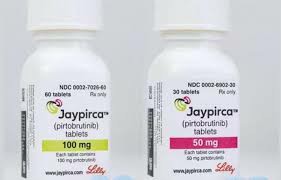
However, if the rash progresses significantly, such as rapidly spreading, accompanied by blisters, erosions, pain or systemic symptoms, you need to be alert to rare but serious drug reactions. For example, although the incidence of severe drug eruptions such as Stevens-Johnson syndrome is extremely low, once it occurs, you need to stop taking the drug immediately and seek medical treatment in time. Severe rashes often require systemic treatment, which may temporarily affect the anti-tumor treatment plan. Therefore, patients must avoid self-treatment or discontinuation of medication. Instead, a professional doctor should evaluate the condition and decide whether to suspend medication.
Management of rashes should be graded according to severity. Mild rashes can be alleviated by taking oral antihistamines, cold compresses, moisturizing and other measures; moderate rashes can be treated with low- to medium-strength topical corticosteroids for a short period of time, and changes should be closely observed; severe rashes should be discontinued in time and referred to a dermatology or oncology department to ensure safety. After a rash occurs, patients should record the scope, development speed, accompanying symptoms, etc. of the rash to provide a basis for the doctor's judgment. Most patients can continue to use pitubrutinib after standard management without affecting the overall treatment effect.
Reference materials:https://pmc.ncbi.nlm.nih.gov/articles/PMC10841293/
[ 免责声明 ] 本页面内容来自公开渠道(如FDA官网、Drugs官网、原研药厂官网等),仅供持有医疗专业资质的人员用于医学药学研究参考,不构成任何治疗建议或药品推荐。所涉药品可能未在中国大陆获批上市,不适用于中国境内销售和使用。如需治疗,请咨询正规医疗机构。本站不提供药品销售或代购服务。


