
.jpeg)
What are the precautions when using obeticholic acid?
Obeticholic acid is a drug used to treat primary biliary cholangitis (PBC). It can effectively slow down liver damage and delay disease progression. However, during treatment with obeticholic acid, patients need to be aware of a series of potential side effects and contraindications to ensure the safety and effectiveness of the treatment.
1. Liver adverse events
The liver is a critical focus in obeticholic acid therapy, especially in patients with already compromised liver function. Obeticholic acid may cause adverse hepatic effects, especially in patients with PBC who have compensated or decompensated cirrhosis. It has been reported that some patients developed liver failure and even required liver transplantation after receiving obeticholic acid. Some cases have occurred in patients with decompensated cirrhosis, particularly when they received higher doses of therapy than recommended.
Although the recommended dose is 10 mg daily, in some patients higher doses of obeticholic acid may cause increases in alanine aminotransferase (ALT) and aspartate aminotransferase (AST) as signs of hepatic insufficiency. The liver compensatory function of some patients may be disrupted in the early stages of treatment, and symptoms usually appear within the first month of treatment.
Therefore, for all patients receiving obeticholic acid, regular monitoring of liver function, including laboratory testing and clinical evaluation, is recommended to detect any possible adverse liver reactions in a timely manner. If the patient develops symptoms of hepatic decompensation such as elevated bilirubin, ascites, gastroesophageal varices, or persistent thrombocytopenia, close attention should be paid to the patient and whether the drug needs to be discontinued should be considered based on the patient's specific situation. Obeticholic acid should be discontinued immediately and permanently in patients with hepatic decompensation, especially those presenting with jaundice, ascites, hepatic encephalopathy, or variceal bleeding.
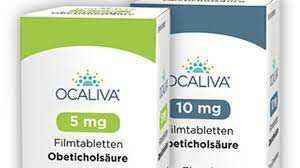
In the event of serious complications or hepatic adverse reactions, treatment with obeticholic acid should be suspended and continued treatment reassessed after the patient recovers. After recovery, if there are no new signs of hepatic decompensation and the patient's symptoms improve, restarting treatment may be considered, but the potential risks and benefits should be fully weighed.
2. Severe itching
Itching is one of the common side effects of obeticholic acid treatment, especially in those receiving higher doses of the drug. The occurrence of severe itching is usually related to the metabolism and excretion of bile acids, because obeticholic acid may cause changes in bile acid levels in the body by regulating bile acid metabolism. Patients may experience varying degrees of itching during the initial stages of treatment, especially when treated with high doses. Management strategies to treat this side effect include increasing bile acid-binding resins or using antihistamines, which can be effective in relieving itching symptoms. Another common management method is to appropriately reduce the dose of the drug or adjust the frequency of administration. In some cases, patients may need to temporarily interrupt treatment until symptoms are relieved.
Although itching does not necessarily lead to treatment interruption, if the symptoms are severe and not effectively controlled, patients should communicate with their doctor in a timely manner to adjust the treatment plan or try other relief measures.
3. Excipient ingredients
The pharmaceutical formulation of obeticholic acid contains small amounts of excipients, particularly sodium. The sodium content of each obeticholic acid tablet is less than 1 mmol (23 mg), and it can basically be considered sodium-free. This means that obeticholic acid is a relatively safe option for patients who need to limit their sodium intake, such as those with heart disease or high blood pressure. However, although the sodium content in the drug is very low, patients should still use it under the guidance of a doctor and regularly monitor blood pressure and other related health indicators.
As an effective drug for the treatment of PBC, obeticholic acid can significantly improve the liver function of patients and delay the progression of the disease. However, it comes with some potential side effects and contraindications for use, especially in patients with already compromised liver function. Hepatic adverse events, severe pruritus, and sensitivity to excipients are areas that require special attention when using obeticholic acid.
Therefore, when treated with obeticholic acid, patients must undergo regular liver function monitoring and promptly adjust the treatment plan in the event of liver failure or other serious side effects. At the same time, management of symptoms such as itching is also critical, and patients should work with their doctor to agree on the best treatment strategy based on their individual circumstances.
In short, although obeticholic acid has certain side effects, its advantages in the treatment ofPBC are still very obvious, and patients can make full use of this treatment option under the guidance of their doctors.
Reference materials:https://www.ema.europa.eu/en/documents/product-information/ocaliva-epar-product-information_en.pdf
[ 免责声明 ] 本页面内容来自公开渠道(如FDA官网、Drugs官网、原研药厂官网等),仅供持有医疗专业资质的人员用于医学药学研究参考,不构成任何治疗建议或药品推荐。所涉药品可能未在中国大陆获批上市,不适用于中国境内销售和使用。如需治疗,请咨询正规医疗机构。本站不提供药品销售或代购服务。


