
.jpeg)
An analysis of the clinical medication regimens and precautions for different patients with Vidicitomab (Aidexi)
Vedicitumab (Disitamab) is an antibody conjugate drug (ADC) targeting HER2. It is mainly used to treat patients with HER2 positive advanced or metastatic gastric cancer and breast cancer. By targeting the HER2 receptor, it accurately delivers cytotoxic drugs into tumor cells, thereby killing cancer cells while relatively reducing damage to normal cells. Since different patients have differences in condition, weight, liver and kidney function, and previous treatment history, clinical medication plans need to be individually formulated to ensure both efficacy and safety.
For adult patients with normal weight, age, and normal liver and kidney function, the conventional recommended dose of vedicitumab is an intravenous infusion every two weeks, and the dose is calculated based on body surface area (mg/m²). The infusion time is usually 60 to 90 minutes. The first dose of infusion must be performed in a medical institution with emergency conditions to handle possible infusion-related reactions in a timely manner. During treatment, doctors will regularly evaluate whether it is necessary to adjust the dose or extend the dosing interval based on patient tolerance and efficacy to reduce the risk of serious adverse reactions.
For patients with impaired liver function or renal insufficiency, the dosage regimen of vedicitumab needs to be adjusted carefully. Patients with moderate to severe hepatic impairment may have delayed drug metabolism, so clinically consider reducing the dose or extending the infusion interval, and closely monitor liver function indicators such as ALT, AST and bilirubin levels during treatment. Patients with abnormal renal function need to evaluate creatinine clearance and urine routine to avoid drug accumulation leading to increased toxicity. Children and elderly patients should also adjust the dosage under the guidance of a doctor, and strictly monitor the efficacy and adverse reactions.
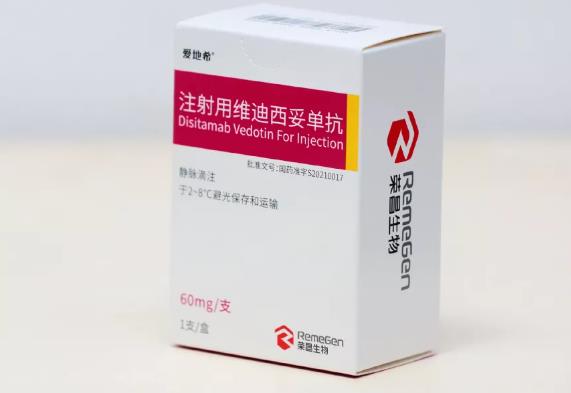
Common adverse reactions of vedicitomab include infusion-related reactions, thrombocytopenia, leukopenia, elevated liver enzymes, fatigue and nausea. Infusion-related reactions mainly manifest as fever, chills, rash, itching or blood pressure fluctuations. They usually occur during the first infusion and can usually be alleviated by slowing down the infusion rate, pre-administration of anti-allergic drugs or symptomatic treatment. Hematological toxicity, such as neutropenia or thrombocytopenia, requires regular blood routine monitoring and dose adjustment or temporary discontinuation if necessary. Abnormal liver function indicators or mild liver injury can be improved by discontinuing the drug or adjusting the dose.
In addition, the use of vedicitomab must be combined with the patient's previous treatment history and concomitant medications. Have received other anti-HER2Patients taking medications or chemotherapeutics should be evaluated for cumulative drug toxicity and tolerability. Patients who are combined with other hepatotoxic drugs, myelosuppressive drugs or anticoagulant drugs also need to closely monitor blood routine and liver and kidney function under the guidance of a doctor to avoid drug interactions or increase the risk of adverse events. In daily life, patients should maintain a healthy diet, adequate rest and moderate exercise, and pay attention to preventing infection and trauma to achieve the best effect with drug treatment.
In general, the clinical medication regimen of vedicitomab needs to be individually adjusted based on the patient's weight, age, liver and kidney function, previous treatment history, and tolerance. Standardized infusion operations, regular monitoring of hematology, liver and kidney function indicators, and timely management of infusion reactions and other adverse events are the keys to ensuring drug safety and efficacy. Patients should strictly follow the dosage and infusion regimen under the guidance of a doctor, combined with daily life management and regular review, to achieve accurate and effective HER2 targeted therapy.
Reference materials:https://www.accessdata.fda.gov/drugsatfda_docs/label/2024/
[ 免责声明 ] 本页面内容来自公开渠道(如FDA官网、Drugs官网、原研药厂官网等),仅供持有医疗专业资质的人员用于医学药学研究参考,不构成任何治疗建议或药品推荐。所涉药品可能未在中国大陆获批上市,不适用于中国境内销售和使用。如需治疗,请咨询正规医疗机构。本站不提供药品销售或代购服务。


