
.jpeg)
Precautions and tips for taking Seputinib/Serpatinib (Ruitu)
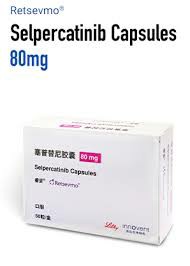
Selpercatinib/Selpercatinib, as a targeted therapy for RET fusion-positive tumors, is widely used in the treatment of non-small cell lung cancer (NSCLC) and certain thyroid cancers. When using seputinib, patients need to pay attention to some common adverse reactions, including hepatotoxicity, interstitial lung disease, hypertension, QT interval prolongation, bleeding, allergic reactions, tumor lysis syndrome, impaired wound healing, and hypothyroidism.
1. Hepatotoxicity is a common side effect during treatment. About 3% of patients may experience serious liver adverse reactions, and 59% and 55% of patients experience elevated AST and ALT respectively. To ensure safety, patients need to have their liver function monitored every two weeks for the first three months of treatment and monthly thereafter. If abnormalities occur, the dose needs to be adjusted or the drug discontinued according to the situation.
2. The incidence rate of interstitial lung disease (ILD)/pneumonia is 1.8%. If the patient develops symptoms such as difficulty breathing, coughing or fever, treatment should be suspended immediately and relevant examinations should be performed. If ILD is diagnosed, treatment is adjusted based on severity.
3. The incidence rate of hypertension is 6.3%, and patients may need to use antihypertensive drugs to control blood pressure. During treatment, monitor blood pressure regularly and make sure it is well controlled. If blood pressure is not effectively controlled, the treatment plan should be adjusted.
4. QT interval prolongation is another noteworthy side effect. About 7% of patients experience a QTcF interval exceeding 500 ms, and 20% of patients experience an interval increase of more than 60 ms. More frequent monitoring of the QT interval is required when used concomitantly with strong CYP3A inhibitors. If the QT interval is significantly prolonged, dose adjustment or drug discontinuation may be necessary.
5. The incidence rate of bleeding is 3.1%, including fatal events such as severe cerebral hemorrhage. In the event of severe or life-threatening bleeding, the drug should be discontinued immediately.
6. The incidence rate of allergic reactions is 6%. Common symptoms include fever, rash, joint pain, etc. If an allergic reaction occurs, the medication should be discontinued and should be permanently discontinued for recurrent allergic reactions.
7. Tumor lysis syndrome (TLS) occurs in 0.6% of patients with medullary thyroid cancer, especially those with high tumor burden and impaired renal function. High-risk patients require close monitoring and preventive measures such as hydration.
8. Impaired wound healing is also a potential risk, especially in patients undergoing major surgery. It is recommended to discontinue the drug at least 7 days before surgery and restart seputinib at least 2 weeks after major surgery.
9. Hypothyroidism requires regular monitoring during treatment, and thyroid hormone replacement therapy is performed when necessary. If abnormal thyroid function is found, treatment needs to be suspended according to the situation.
10.Seputinib may have toxic effects on the fetus. It is recommended that women of childbearing potential use effective contraceptive measures during treatment and within 1 week after the last dose. Male partners should also take corresponding contraceptive measures.
In short, the use of seputinib requires close monitoring of multiple aspects of health status, including liver function, blood pressure, electrocardiogram, etc., and timely adjustment of the treatment plan when adverse reactions occur. Patients should maintain good communication with their doctors to ensure the safety and effectiveness of treatment.
References:https://dailymed.nlm.nih.gov/dailymed/drugInfo.cfm?setid=7fa848ba-a59c-4144-9f52-64d090f4d828
[ 免责声明 ] 本页面内容来自公开渠道(如FDA官网、Drugs官网、原研药厂官网等),仅供持有医疗专业资质的人员用于医学药学研究参考,不构成任何治疗建议或药品推荐。所涉药品可能未在中国大陆获批上市,不适用于中国境内销售和使用。如需治疗,请咨询正规医疗机构。本站不提供药品销售或代购服务。


