
.jpeg)
Precautions for using aprocitentan and care suggestions in daily life
Aprocitentan (Aprocitentan), as a dual endothelin receptor antagonist, is often used to treat refractory hypertension. It has a strong mechanism of action, so special attention must be paid to safety and continuous monitoring during use. First, patients should explain their past medical history to their doctor before starting medication, including liver and kidney function, history of heart failure, and whether they are taking antihypertensive drugs, diuretics, or other drugs that may cause electrolyte changes. Some patients may experience mild hypotension, dizziness or fatigue in the early stages. Therefore, it is recommended to avoid standing up suddenly and strenuous exercise at the beginning of treatment, and to maintain regular follow-up visits to monitor changes in blood pressure and adjust the dosage if necessary.
Second, throughout the treatment cycle, focus should be placed on liver function, fluid retention, and weight changes. Aprecitentan may cause mild water and sodium retention, manifested as edema of the lower limbs, rapid weight gain, or shortness of breath. If the patient develops obvious edema or respiratory discomfort, he or she should contact the doctor promptly for treatment, such as adjusting the dose, combining diuretics, or temporarily discontinuing the drug. In addition, regular liver function tests are also very necessary. If symptoms such as right upper quadrant discomfort, loss of appetite, yellowing of the skin or eyes occur, you should be highly vigilant about abnormal liver function.
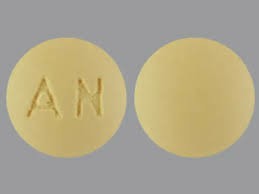
In terms of daily care, patients need to maintain a scientific low-salt diet to mitigate blood pressure fluctuations and reduce the risk of fluid retention. It is recommended to control daily sodium intake and avoid high-salt foods such as processed foods, pickles, and pickled foods. At the same time, you should maintain moderate exercise, such as walking, yoga, etc., but avoid strenuous activities or activities that require sudden changes in posture to reduce the risk of dizziness or falls. The amount of water you drink should be moderate, not excessive, and do not limit water to extremes because of concerns about edema. You should follow your doctor's recommendations for balanced management.
Finally, patients should avoid increasing or decreasing the dose on their own while taking the medication or adjusting its use at the same time as other antihypertensive drugs. Special attention should be paid to avoid co-administration with potent metabolic enzyme inhibitors or inducers to avoid affecting the plasma concentration of aprecitentan. At the same time, pregnant women or women planning pregnancy need to conduct a risk assessment before taking the drug, because endothelin receptor antagonist drugs may have a risk of teratogenesis. Overall, most patients can safely and well benefit from aprecitentan treatment as long as they follow medical advice, undergo regular check-ups, and take reasonable care in daily life.
Reference materials:https://pubmed.ncbi.nlm.nih.gov/40853274/
[ 免责声明 ] 本页面内容来自公开渠道(如FDA官网、Drugs官网、原研药厂官网等),仅供持有医疗专业资质的人员用于医学药学研究参考,不构成任何治疗建议或药品推荐。所涉药品可能未在中国大陆获批上市,不适用于中国境内销售和使用。如需治疗,请咨询正规医疗机构。本站不提供药品销售或代购服务。


