
.jpeg)
Tucatinib/tucatinib promotes first-line maintenance in advanced HER2+ breast cancer
Tucatinib plus trastuzumab and pertuzumab compared with placebo plus trastuzumab and pertuzumab, according to findings from the 2025 Breast Cancer Symposium (SABCS) Prolongs progression-free survivalHER2-positive metastatic breast cancer as a first-line maintenance method whose disease has not progressed after treatment with docetaxel combined with trastuzumab and pertuzumab.
Phase 3Results from the HER2CLIMB-05 trial, first announced in October 2025, showed that the study met its primary endpoint. Preliminary observational data, with a median follow-up time of approximately 23 months, showed that the median PFS for tucatinib/HP (326 patients) was 24.9 months, compared with 16.3 months for placebo/HP (328 patients).
The PFS benefit of tucatinib extended to all prespecified patient subgroups, including diagnosis (de novo or relapsed), hormone receptor (HR) status (negative or positive), baseline brain metastases (yes or no), prior anti-HER2 therapy (yes or no), response to THP induction Best response (complete response/partial response or stable disease/non-CR/PR), disease type (visceral or nonvisceral), ECOG performance status (0 or 1), region (North America, Europe, Asia Pacific, or rest of the world), age (under 65 years or 65 years and older), and race (white, Asian, or other).
HER2CLIMB-05 has demonstrated that the addition of tucatinib to HP represents an enhanced first-line maintenance treatment option for patients with HER2-positive metastatic breast cancer, providing the opportunity to prolong time to disease progression and discontinue chemotherapy.
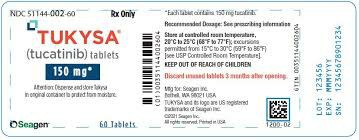
What are the key factors in the HER2CLIMB-05 trial?
First-line treatment for patients with HER2-positive metastatic breast cancer typically consists of taxane-based HP chemotherapy followed by maintenance HP, but disease progression often prevents patients from receiving second-line therapy. Previous data from the pivotal HER2CLIMB trial showed that adding tucatinib to capecitabine and trastuzumab improved PFS and overall survival (OS) even in a heavily pretreated population, including patients with brain metastases. HER2CLIMB-05 evaluates the inclusion of tucatinibWhether first-line maintenance therapy for HP can further improve prognosis by enhancing extracellular and intracellular HER2 targeting.
HER2CLIMB-05 was a randomized, double-blind, placebo-controlled, international trial enrolling patients with centrally confirmed HER2-positive metastatic breast cancer, no evidence of progression after 4 to 8 cycles of THP, no or asymptomatic brain metastases confirmed by contrast-enhanced MRI at screening, and an ECOG performance status of 0 or 1.
Patients were randomly assigned1:1 to 300 mg oral tucatinib twice daily (326 patients) or matching placebo (328 patients) with or without endocrine therapy in combination with HP every 21 days. Trastuzumab is administered as 6 mg/kg or 600 mg subcutaneously intravenously, and pertuzumab is administered as 420 mg intravenously. A fixed-dose SC combination of 600 mg trastuzumab, 600 mg pertuzumab, and 20,000 units of hyaluronidase ZXF (Phesgo) is also allowed.
Treatment continued until unacceptable toxicity, disease progression, withdrawal of consent, or study termination. Crossing is prohibited.
The primary endpoint is investigator-assessed PFS according toRECIST 1.1 criteria. Secondary endpoints include OS, PFS per blinded independent central assessment, central nervous system PFS, safety, health-related quality of life and pharmacokinetics. Patients were stratified according to diagnosis, hormone receptor status, and presence or history of brain metastases.
Tucatinib/tucatinibHow is the regimen based on hormone receptor status? Is there anyOS benefit?
In terms of PFS by hormone receptor statusthe benefit was greater for those who were hormone receptor negative, although there was also a benefit for those who were hormone receptor positive. In the hormone receptor-negative cohort, median PFS was 24.9 months in the tucatinib group and 12.6 months in the placebo group. In the hormone receptor-positive cohort, median PFS was 25.0 months in the tucatinib group and 18.1 months in the placebo group. Assessment of OS showed a numerical trend toward improvement with tucatinib.
What is the safety of tucatinib/tucatinib regimen?
The combination of tucatinibandHP showed a manageable safety profile, with diarrhea, nausea and elevated liver enzymes (mostly low-grade) being the most common side effects. 99.1% of patients treated with tucatinib and Treatment-emergent side effects occurred in 96.6% of placebo-treated patients. 43.2%, 16.9% and 0.3% of tucatinib patients experienced grade 3 or higher side effects, serious side effects and side effects leading to death, respectively, and 24.4%, 8.0% and 0.3% of placebo patients, respectively.
Side effects led13.8% oftucatinib patients to discontinue treatment, compared with 4.6% of placebo patients. The most common side effects prompting discontinuation were liver events (7.7% tucatinib, 0% placebo) and diarrhea (1.5% tucatinib, 0.9% placebo). 55.8% of tucatinib patients and 34.6% of placebo patients required dose adjustments due to side effects.
Reference materials: UpdatedDecember 11, 2025, https://www.curetoday.com/view/tukysa-combo-boosts-frontline-maintenance-in-advanced-her2-breast-cancer
[ 免责声明 ] 本页面内容来自公开渠道(如FDA官网、Drugs官网、原研药厂官网等),仅供持有医疗专业资质的人员用于医学药学研究参考,不构成任何治疗建议或药品推荐。所涉药品可能未在中国大陆获批上市,不适用于中国境内销售和使用。如需治疗,请咨询正规医疗机构。本站不提供药品销售或代购服务。


