
.jpeg)
Analysis of the scope of indications and suitable patient types of Crizotinib (Xalkori)
Crizotinib is an oral small molecule tyrosine kinase inhibitor mainly used for targeted treatment of patients with non-small cell lung cancer (NSCLC) with specific gene mutations or rearrangements. It can inhibit the abnormal signaling pathways of anaplastic lymphoma kinase (ALK), ROS1 and some MET gene mutations, thereby inhibiting tumor cell proliferation and promoting apoptosis. Because of its strong targeting, crizotinib is suitable for patients who have confirmed ALK rearrangement, ROS1 positive or MET amplification through genetic testing.
Clinically, crizotinib is often used in patients with advanced or metastatic non-small cell lung cancer, especially for patients who are resistant to traditional chemotherapy or cannot tolerate chemotherapy. In addition, for patients who are ALK positive or ROS1 positive, crizotinib can significantly delay disease progression and improve progression-free survival and overall survival. Therefore, such patients should undergo genetic testing as soon as possible after diagnosis to determine whether they are suitable for targeted therapy with crizotinib.
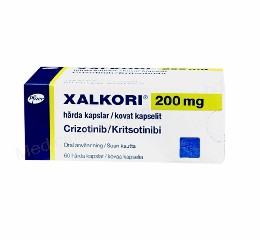
Regarding the selection of patient types, crizotinib is mainly suitable for adult patients with good physical status (ECOG score0-2), adequate liver and kidney function, and no serious cardiovascular disease. In patients with multiple comorbidities or severe liver and kidney damage, crizotinib needs to be used with caution, and dosage adjustment or monitoring must be performed under the guidance of a professional physician. At the same time, elderly patients or people with mild cardiac dysfunction can also be used under monitoring, but attention should be paid to the occurrence of adverse reactions.
It needs to be emphasized that crizotinib is not suitable for all patients with lung cancer, and its efficacy is highly dependent on genotype. Patients who have not undergone genetic testing or have mismatched genotypes may not be as effective using this drug and may be at increased risk of adverse reactions. Therefore, before using crizotinib, you should ensure that the patient has completed genetic testing and clarified their ALK, ROS1, or MET status, and develop an individualized treatment plan based on the patient's overall health status, previous medication history, and potential risks to ensure safety and efficacy.
Reference materials:https://pubmed.ncbi.nlm.nih.gov/25170012/
[ 免责声明 ] 本页面内容来自公开渠道(如FDA官网、Drugs官网、原研药厂官网等),仅供持有医疗专业资质的人员用于医学药学研究参考,不构成任何治疗建议或药品推荐。所涉药品可能未在中国大陆获批上市,不适用于中国境内销售和使用。如需治疗,请咨询正规医疗机构。本站不提供药品销售或代购服务。


