
.jpeg)
The role of Siladepa in the treatment of PBC after obeticholic acid (Obeticholic)
The treatment landscape for primary biliary cholangitis (PBC) has changed significantly in recent years, particularly with the emergence of second-line treatment options. Obeeticholic acid (Obeticholic acid) was once the only second-line treatment for PBC patients who had an inadequate response to or intolerance to ursodeoxycholic acid (UDCA). However, in September 2025, obeticholic acid voluntarily withdrew from the U.S. market, creating a therapeutic gap. With this change, the field of PBC treatment quickly ushered in two new second-line therapies-elafibranor and seladelpar (seladelpar). The introduction of these new drugs has provided more options for patients with PBC, while also creating clinical uncertainty about how to safely and effectively switch patients from obeticholic acid to these new therapies.
At the 2025 American Association for the Study of Liver Diseases (AASLD) meeting, the latest data on Siladepa was presented, especially the effect of switching to Siladepa in patients who were originally taking obeticholic acid. These data bring a new perspective to the treatment paradigm of PBC and also reveal the potential of Siladepa as a replacement for obeticholic acid.
Obeeticholic acid has been playing an important role in the treatment of PBC since it was approved by the US FDA in 2016. It is primarily used in patients who have a poor response to ursodeoxycholic acid, especially those in the early or compensated stages of cirrhosis. Although obeticholic acid is excellent at improving treatment efficacy, its side effects, particularly itching, result in poor tolerance of the drug in some patients. Even so, obeticholic acid still filled a gap in the treatment of PBC until it was voluntarily withdrawn from the market due to adverse effects and challenges in use.
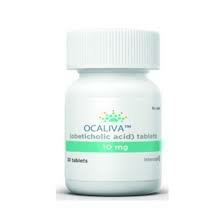
With the withdrawal of obeticholic acid, clinical practice faces a big challenge, especially how to effectively switch patients from obeticholic acid to new drugs. In this context, Siladepa, as a new generation of second-line treatment drug, has received widespread attention due to its good efficacy and safety. Siladepa was shown not only to be similar in efficacy to obeticholic acid, but even better in some aspects, particularly in improving itching symptoms. Unlike the itching caused by obeticholic acid, Siladepa can effectively relieve this symptom, which is undoubtedly a huge improvement for PBC patients.
Study data suggest that Siladepa is able to maintain or even improve treatment outcomes in patients switching from obeticholic acid, particularly with respect to biochemical markers. For example, alkaline phosphatase (ALP) levels improved after the patient was switched to Siladepa, showing the potential of the drug. Based on these data, the researchers propose that patients can expect similar or even better outcomes than obeticholic acid when switching treatments, which provides new possibilities for the future of PBC treatment.
However, despite the excellent short-term efficacy and safety of Siladepa, there are still some unanswered questions in the clinical setting. First, although two current second-line therapies (obeticholic acid and siladerpapa) can significantly improve biomarkers in PBC patients, their impact on long-term clinical outcomes in PBC patients is unclear. Questions such as long-term effects, whether it can prevent disease progression, and whether it can completely prevent liver failure remain the focus of future research.
In addition, although Siladepa has made progress in relieving itching, not all patients' pruritus symptoms can completely disappear, and some patients may still need other supplementary treatments to further control this symptom. This reveals the complexity of treating PBC and reminds us that despite continued innovation in treatments, unmet needs remain.
AsPBC treatment continues to evolve, Siladepa and other emerging therapeutic drugs will provide patients with more choices. However, although existing treatments have made significant progress in terms of efficacy and tolerability, the treatment of PBC still faces some clinical challenges, especially for patients who do not perform well on treatment.
Reference:November 9, 2025, https://www.hcplive.com/view/seladelpar-role-post-obeticholic-acid-pbc-treatment-landscape-with-christopher-bowlus-md
[ 免责声明 ] 本页面内容来自公开渠道(如FDA官网、Drugs官网、原研药厂官网等),仅供持有医疗专业资质的人员用于医学药学研究参考,不构成任何治疗建议或药品推荐。所涉药品可能未在中国大陆获批上市,不适用于中国境内销售和使用。如需治疗,请咨询正规医疗机构。本站不提供药品销售或代购服务。


