
.jpeg)
The complete version of the official instructions for isatuximab (Xacoyi)
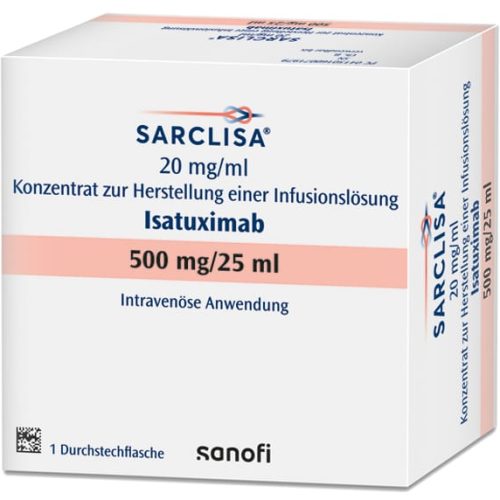
Isatuximab (trade name Sarclisa) is a humanized monoclonal antibody targeting CD38 for the treatment of multiple myeloma (Multiple Myeloma, MM) patients, especially those who have poor response to previous treatments or who have relapsed/ are refractory. The drug works by specifically binding to CD38 on the surface of tumor cells. Proteins exert a variety of anti-tumor effects, including mediating antibody-dependent cytotoxicity (ADCC), antibody-dependent phagocytosis (ADCP), complement-dependent cytotoxicity (CDC) and direct induction of tumor cell apoptosis, thereby inhibiting tumor growth.
Isatuximab is mainly suitable for patients with relapsed /refractory multiple myeloma who have previously received at least one type of immunomodulator or proteasome inhibitor treatment. Clinical trials have shown that when the drug is used in combination with standard regimens such as lenalidomide or denosumab, it can significantly improve patients' response rate and progression-free survival (PFS). Before use, doctors need to confirm the patient's hematological status, liver and kidney function, and infection risk, ensure that the indications meet regulatory requirements, and assess whether there are drug contraindications or potential risks of adverse reactions.
In terms of usage and dosage, isatuximab is usually administered via intravenous infusion, and the recommended dose is 10 mg/kg. The initial treatment phase is once a week for four weeks, followed by once every two weeks as maintenance treatment. The infusion process needs to be carried out slowly, and it is generally recommended to complete it within 3–4 hours. The first dose of infusion needs to be strictly observed for infusion reactions, and anti-allergic drugs (such as glucocorticoids, antihistamines, antipyretic and analgesics) can be given in advance according to the situation for pretreatment. If an infusion-related reaction occurs, the infusion should be suspended and symptomatic treatment should be taken. It can be continued after the symptoms are relieved. However, in the case of severe reactions, termination of treatment should be considered.
Special attention should be paid to infusion reactions, hematological toxicity, and infection risks when using isatuximab. Common adverse reactions include fever, chills, fatigue, cough and upper respiratory tract infection, etc. Hematological toxicity manifests as neutropenia, anemia and thrombocytopenia. Patients need to have regular blood tests monitored and, if necessary, supportive treatment such as growth factors or blood transfusion support. Abnormal liver function and cardiac function occasionally occur and require regular monitoring before and during treatment. It is contraindicated for pregnant women and lactating women, and patients of childbearing age should take effective contraceptive measures.
In addition, isatuximab may interact with other drugs, especially when used in combination with immunomodulators or monoclonal antibodies, and the risks of cumulative drug toxicity and efficacy need to be evaluated. Patients should maintain good living habits during treatment, avoid infection, and promptly report any abnormal symptoms such as fever, bleeding, or difficulty breathing. The treatment plan should be dynamically adjusted according to the patient's individual situation, efficacy and tolerance to ensure that adverse reactions are minimized while prolonging survival.
In short, isatuximab, a monoclonal antibody targeting CD38 , provides a new treatment method for patients with relapsed / refractory multiple myeloma. Its clinical efficacy is relatively significant in single drug or combination regimen, but due to the possibility of infusion reactions and hematological toxicity, it must be used under the guidance of a professional doctor. Regular review, monitoring of laboratory indicators and symptom management are key measures to ensure treatment safety and optimize efficacy. As more clinical studies advance, its indications and combination treatment options may be further expanded, bringing more accessible treatment options to patients with multiple myeloma.
Reference materials:https://pmc.ncbi.nlm.nih.gov/articles/PMC8497289/
[ 免责声明 ] 本页面内容来自公开渠道(如FDA官网、Drugs官网、原研药厂官网等),仅供持有医疗专业资质的人员用于医学药学研究参考,不构成任何治疗建议或药品推荐。所涉药品可能未在中国大陆获批上市,不适用于中国境内销售和使用。如需治疗,请咨询正规医疗机构。本站不提供药品销售或代购服务。


