
.jpeg)
The difference between fostatinib/fotantinib and romiplostim
Fostamatinib and romiplostim are both drugs used to treat chronic immune thrombocytopenia (ITP), but there are obvious differences in their mechanisms of action, administration methods, efficacy characteristics and clinical application strategies. Understanding these differences is important for clinicians to select appropriate individualized treatment options, optimize efficacy and reduce risks. It also helps patients understand the characteristics and expected effects of different treatment options.
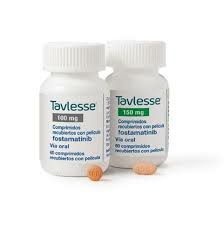
Fostatinib is an oral small molecule kinase inhibitor that mainly works by inhibiting theSyk tyrosine kinase (spleen tyrosine kinase) signaling pathway. In patients with ITP, the Syk signaling pathway is involved in the destruction of platelets by the immune system. By inhibiting this pathway, fostatinib reduces autoimmune attacks on platelets, thereby increasing platelet counts and reducing the risk of bleeding. The drug's oral administration makes it more convenient for patients to use in their home environment, while allowing individualized treatment through dose adjustment. The onset of action of fostatinib is usually within weeks, and early responses can be seen with improved platelet levels, but some patients may require dose optimization to achieve ideal platelet levels. In addition, the safety characteristics of fostatinib include requirements for monitoring blood sugar and liver function, and some patients may experience side effects such as hypertension, diarrhea, and elevated liver enzymes, which need to be managed during clinical follow-up.
In contrast, romiplostim is a recombinant thrombopoietin (TPO) receptor agonist that activates bone marrow megakaryocytes by simulating natural TPO signals, promotes platelet production, and thereby increases platelet count. Romigrastim is usually administered by subcutaneous injection once a week or the frequency is adjusted according to the platelet count. It can quickly improve platelet levels clinically, and is especially suitable for patients who need to quickly increase platelets to reduce the risk of bleeding. Its effects usually appear within days to a week and is suitable for patients who have had an inadequate response to other medications or who are at higher risk of bleeding. However, the use of romigrastim also requires monitoring of platelet count changes to avoid excessive elevations that may lead to the risk of thrombosis. At the same time, some patients may develop injection site reactions or the potential risk of myelofibrosis.
From the perspective of clinical application strategy, the selection of fostatinib and romiplostim is based on the patient's condition characteristics and previous treatment response. As an oral drug, fostatinib is more suitable for patients who want to reduce the frequency of injections and pursue long-term oral management. It is also suitable for patients with chronic ITP who have previously had poor response to glucocorticoids and immunosuppressants. Because of its ability to rapidly increase platelets, romiplostim is often used in patients with extremely low platelets and at risk of bleeding, or as a bridging therapy to buy time for subsequent long-term treatment. The complementarity of the mechanisms between the two also makes joint or sequential use a research direction in some refractory ITP cases, but it must be carried out strictly under the guidance of doctors.
In general, fostatinib and romigrastim have their own advantages in the treatment of chronic ITP. Fostatinib achieves slow and steady platelet recovery by inhibiting immune-mediated platelet destruction. It is convenient to take orally but has a slightly slower onset of action. Romigrastim achieves a rapid response by directly promoting platelet production. The injection method facilitates emergency intervention but requires monitoring of thrombotic risks. Clinicians should scientifically select a suitable drug regimen based on factors such as the patient's platelet level, bleeding risk, previous treatment history, and lifestyle to maximize efficacy and optimize safety.
Reference: https://dailymed.nlm.nih.gov/dailymed/drugInfo.cfm?setid=21149cc3-049b-43e2-b141-c9499160556c
[ 免责声明 ] 本页面内容来自公开渠道(如FDA官网、Drugs官网、原研药厂官网等),仅供持有医疗专业资质的人员用于医学药学研究参考,不构成任何治疗建议或药品推荐。所涉药品可能未在中国大陆获批上市,不适用于中国境内销售和使用。如需治疗,请咨询正规医疗机构。本站不提供药品销售或代购服务。


